Recent studies by Singapore General Hospital reveal that a staggering 73.4% of office workers in our city-state suffer from persistent musculoskeletal pain. If you’ve spent your afternoon rubbing a stubborn ache in your shoulder while staring at a screen, you’re certainly not alone. It’s frustrating to feel your productivity slip away because of physical discomfort, especially when the terminology of modern wellness feels more confusing than the pain itself. You deserve a solution that provides immediate relief without the logistical headache of navigating traffic to reach a crowded spa centre.
Choosing between Tui Na vs deep tissue for knots doesn’t have to be a guessing game. This article promises to clarify the scientific and traditional distinctions between these two powerful modalities, ensuring you find the perfect match for your body’s needs. We’ll compare the anatomical focus of deep tissue with the meridian-based approach of Tui Na. By the end, you’ll understand which technique will transform your home into a restorative sanctuary and finally melt those persistent knots away, all while maintaining the premium standards of a professional spa experience.
Living in a high-performance environment like Singapore often means long hours at a desk and significant digital exposure. This sedentary lifestyle frequently leads to that familiar, tight ache in the upper back and neck. We colloquially call them knots, but they’re actually complex physiological responses to sustained postural stress. Superficial pressure rarely provides lasting relief because these knots reside in the deeper architecture of your muscle fibres. To find true ease, your body requires a technique that can penetrate these layers of tension and address the root of the discomfort.
From a Western perspective, these are myofascial trigger points, which are hyper-irritable spots within a taut band of skeletal muscle. In Traditional Chinese Medicine, these same points are often identified as “Ashi” points. These areas of stagnation respond best to targeted, firm pressure. When comparing Tui Na vs deep tissue for knots, it’s clear that both modalities aim to resolve these physical blocks, though they approach the problem from different philosophical starting points. Whether you prefer the meridian focus of traditional Tui Na bodywork or the anatomical precision of deep tissue, the objective remains the restoration of fluid movement and comfort.
Micro-trauma from repetitive strain or poor ergonomics causes individual muscle fibres to stay in a state of constant contraction. This creates a physical “knot” that restricts local blood flow and oxygenation. Without fresh blood to flush out metabolic waste, the muscle remains stuck in a painful loop. Common areas for these knots include the levator scapulae and trapezius muscles. These are the primary victims of “tech neck,” where the forward tilt of the head places immense strain on the upper spine during long office hours.
It’s easy to dismiss a tight shoulder as general soreness. However, a persistent trigger point often reveals itself through referred pain. This occurs when a knot in one area causes a dull ache or tingling elsewhere, such as a tension headache radiating from the neck. If your discomfort is limiting your range of motion or causing consistent pain, seeking a professional home massage may help. Mature, experienced therapists can identify these points of tension and apply the necessary pressure to support your recovery. Understanding the nuances of Tui Na vs deep tissue for knots ensures you choose the treatment that best supports your path to relaxation and long-term wellbeing.
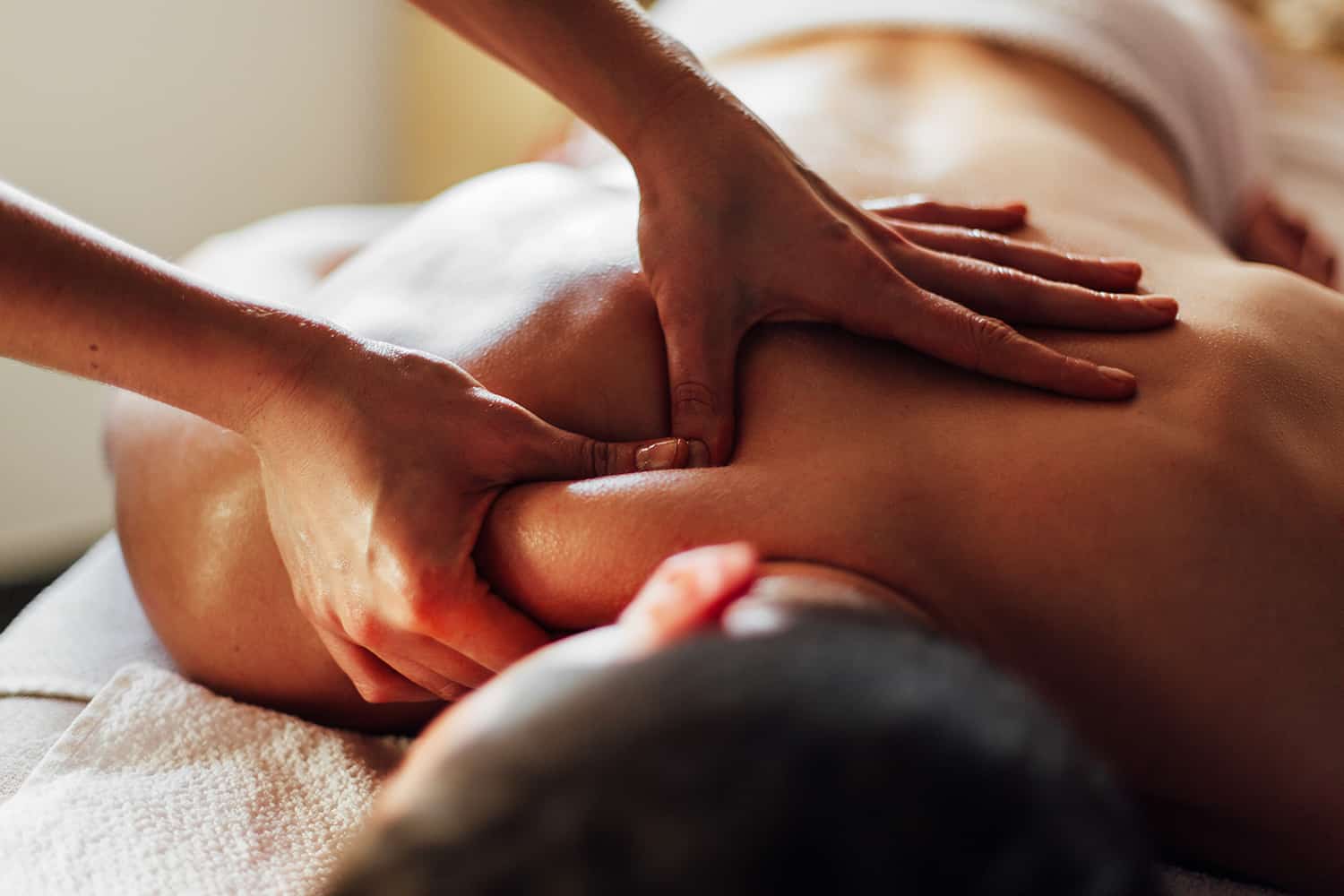
Deep Tissue Massage is the Western anatomical answer to chronic stiffness. Unlike lighter modalities that focus on the skin’s surface, this technique targets the sub-surface layers of muscle and the surrounding fascia. Therapists use slow, deliberate strokes and intense finger pressure to reach areas that a standard massage might miss. This isn’t just about relaxation; it’s a functional intervention. By using premium aromatherapy oils, our therapists ensure a smooth glide that allows for deep penetration without skin irritation. When weighing Tui Na vs deep tissue for knots, the latter stands out for its direct mechanical focus on the body’s physical architecture.
The process is meticulous. It begins with warming up the superficial muscles before the therapist applies concentrated force to the deeper fibres. This sequential approach ensures that your body accepts the pressure without tensing up. It’s a journey into the muscle’s anatomy, designed to unstick the layers of tissue that have become fused through poor posture or repetitive strain. For the busy professional in Singapore, this provides a necessary reset for a body fatigued by the demands of a high-pressure career.
Chronic tension often creates adhesions, which are bands of painful, rigid tissue that can severely limit your mobility. These are essentially myofascial trigger points and knots that have become “stuck” over time. Deep tissue work mechanically breaks down these adhesions to restore normal blood flow and nutrient delivery to the affected area. This process can support healthy blood circulation and may help improve your range of motion, especially in joints stiffened by long hours at a desk. Deep Tissue is a structural realignment of muscle layers designed to restore physical harmony.
During a session, you’ll likely feel what many describe as “good pain.” This is the sensation of a knot finally giving way under expert pressure. Communication is vital here. Our mature therapists, dressed in professional navy blue polos, will constantly check in to ensure the intensity is effective yet comfortable. Because we bring full-size massage beds to your home, they have the necessary leverage to apply consistent, high-quality pressure. Selecting between Tui Na vs deep tissue for knots often depends on whether you prefer this oil-based gliding sensation or the dry, rhythmic pressure of Eastern methods. After your deep tissue massage, drinking plenty of water is essential to help your body flush out the metabolic waste released from the muscle tissues. If you feel your body needs this level of attention, you can explore our bespoke treatments to find your path to relief.
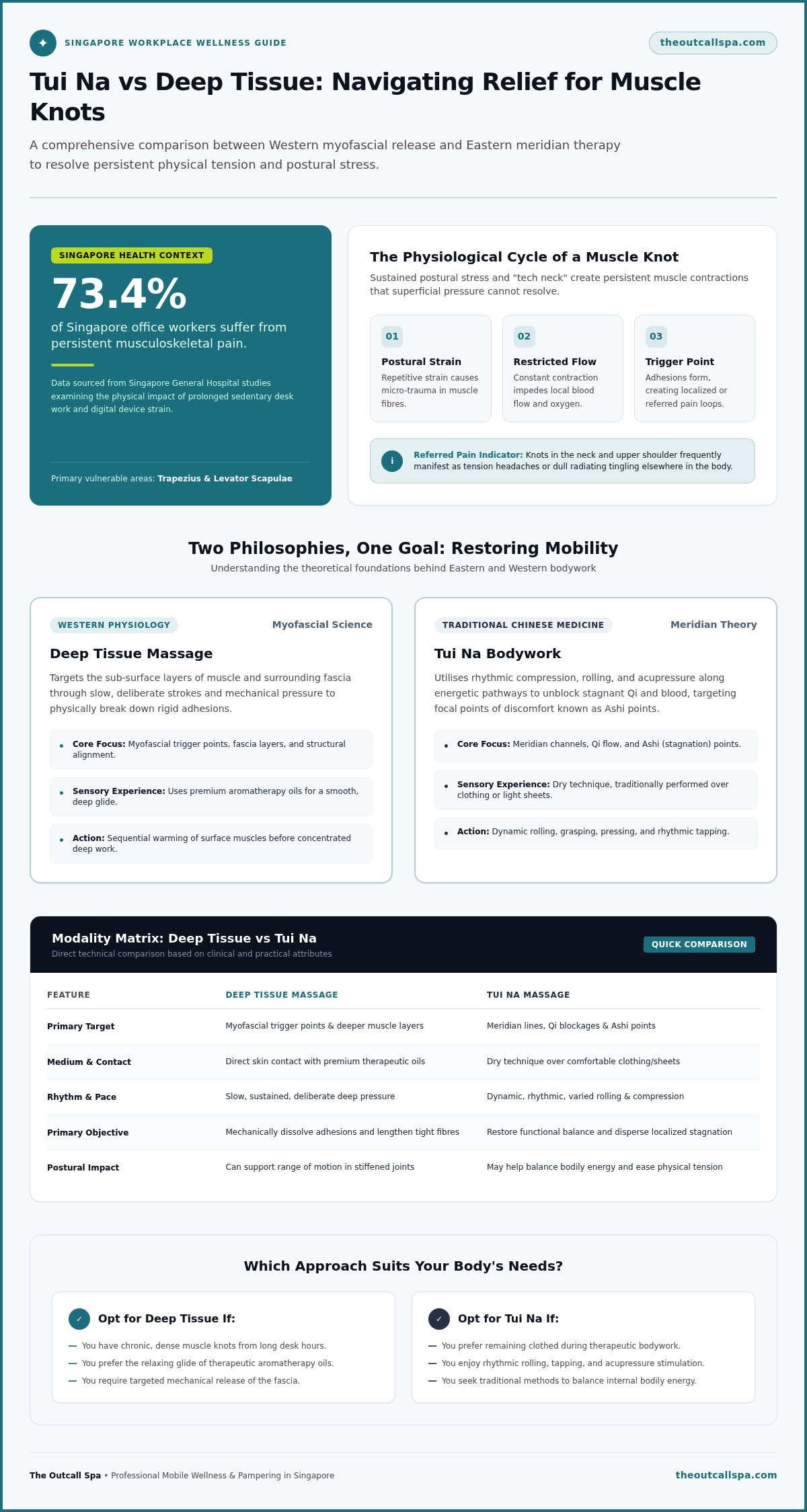
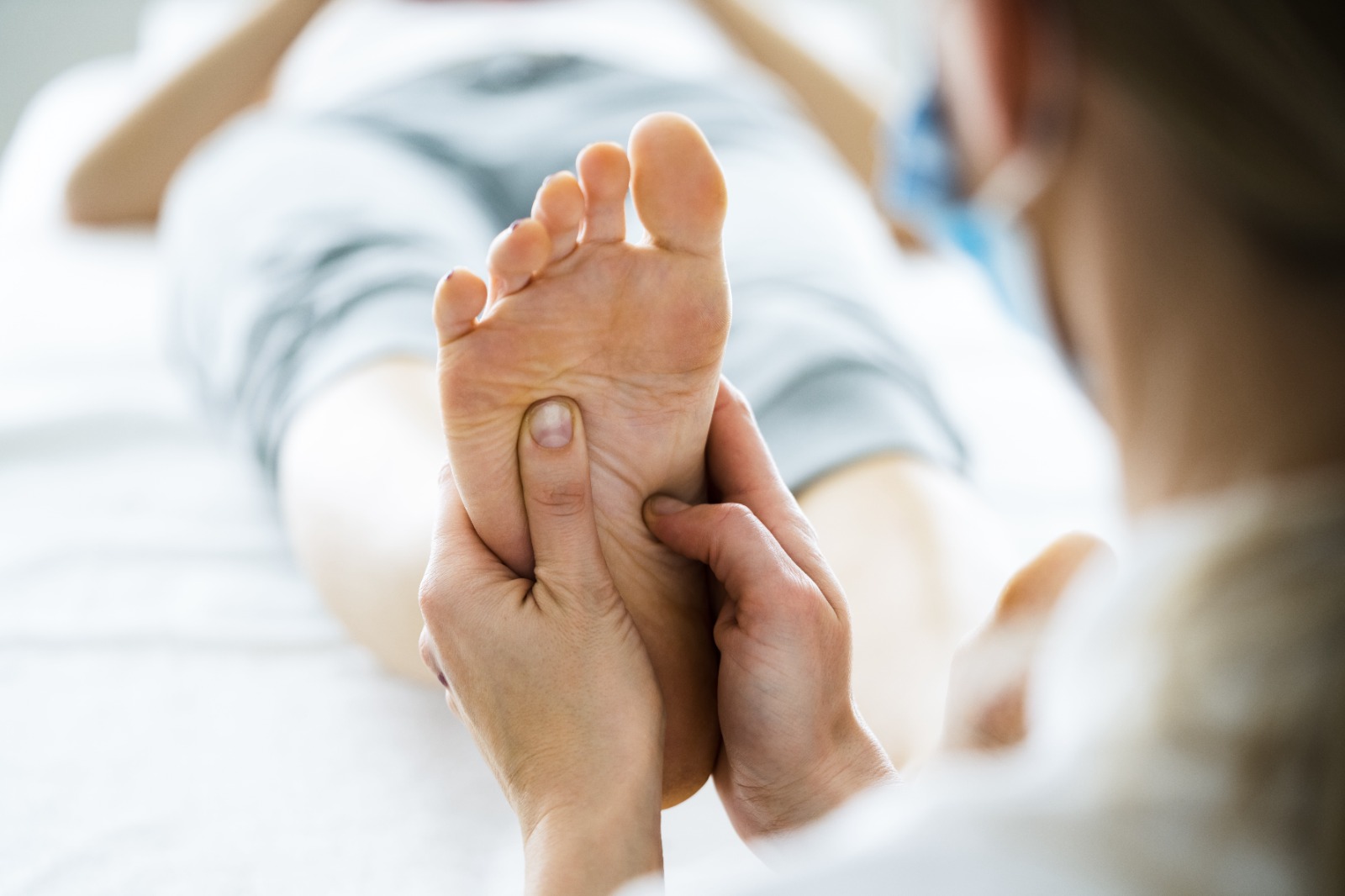
While Deep Tissue relies on direct anatomical manipulation, Tui Na is a sophisticated pillar of Traditional Chinese Medicine (TCM) that has been refined over millennia. It’s an active, invigorating modality that focuses on the body’s holistic balance. Rather than just targeting the muscle fibres, Tui Na aims to stimulate specific acupoints to harmonise the flow of Qi, or vital energy. When you’re weighing Tui Na vs deep tissue for knots, it’s helpful to understand that Tui Na is often performed over comfortable clothing or a soft cotton cloth. This makes it a preferred choice for those who want a powerful treatment without the use of oils or the need for a full-body undress.
The characteristic techniques of Tui Na are distinct and rhythmic. Therapists use a combination of brushing, kneading, and the signature “rolling” method to address areas of tension. These movements aren’t just local; they’re designed to create a systemic response throughout the entire body. Our mature therapists bring this ancient wisdom directly to your home, ensuring that even the most clinical TCM techniques are delivered within a premium, comforting environment. This approach allows you to experience traditional healing without the sterile atmosphere of a typical clinic.
In the framework of TCM, muscle knots are viewed as manifestations of stagnant energy or blood. When Qi cannot flow freely, physical discomfort and stiffness begin to manifest in the body’s soft tissues. Rhythmic compression along the meridians may support internal organ health while simultaneously dispersing these physical blocks. While it differs from the anatomical focus of Western myofascial release therapy, Tui Na achieves similar results by addressing the energetic root of the pain. Tui Na massage is a method of restoring energetic harmony.
The “rolling” technique, known as Gun Fa, is uniquely effective for large muscle groups such as the back, shoulders, and thighs. It involves a continuous, oscillating movement of the hand or forearm that penetrates deep into the muscle without the sliding friction used in oil-based massages. This is often paired with acupressure, where targeted finger pressure on specific points can trigger a release in distant parts of the body. Because of these dynamic movements, Tui Na is often described as more vigorous than Western modalities. It’s a powerful tool in the Tui Na vs deep tissue for knots comparison, offering a sense of active recovery that’s particularly suited to the high-pressure lifestyle of Singapore’s PMEBs and professionals.
Choosing between Tui Na vs deep tissue for knots often comes down to the specific nature of your physical burden. While both modalities provide relief, they operate on different planes of recovery. Deep tissue massage acts as a structural realignment tool, focusing on the mechanical breakdown of adhesions. In contrast, Tui Na seeks energetic balance, treating the knot as a sign of stagnant vitality that needs to be dispersed through rhythmic movement. Understanding these distinctions allows you to select a treatment that aligns with your current recovery goals.
The sensory experience of these two treatments is markedly different. If you prefer the comforting sensation of premium aromatherapy oils gliding over your skin, deep tissue is the natural choice. It utilizes sustained, intense pressure to target localized chronic pain. This makes it particularly effective for specific structural issues, such as a localized “pinch” in the lower back or a knot that has formed from repetitive gym training.
Tui Na offers a more dynamic experience. It is often performed through a soft cloth, using rhythmic compression and rolling techniques that feel more like a physical workout for your muscles. This is ideal for those experiencing widespread fatigue or a general sense of “stagnancy” after long weeks of overtime. While deep tissue pressure is sustained and focused, Tui Na pressure is varied and oscillating, providing a systemic reset that many find deeply invigorating.
To make the right choice, assess the quality of your pain. Is it a sharp, specific point that you can poke with your finger? Or is it a dull, heavy ache that spans across your entire shoulder blade? Sharp, localized pain typically responds better to the concentrated finger pressure of deep tissue. If you feel generally “heavy” and stiff from head to toe, the meridian-based work of Tui Na may provide the systemic unblocking you need.
For those who find it difficult to choose, our Signature Massage offers a sophisticated hybrid approach. It combines the anatomical precision of Western techniques with the rhythmic wisdom of Eastern traditions, ensuring a comprehensive outcall massage Singapore experience. This bespoke session allows our therapists to adapt to your body’s feedback in real-time, melting away stubborn knots while promoting deep, indulgent relaxation. If you are ready to reclaim your physical comfort, you can book your private spa session today and let our experts handle the rest.
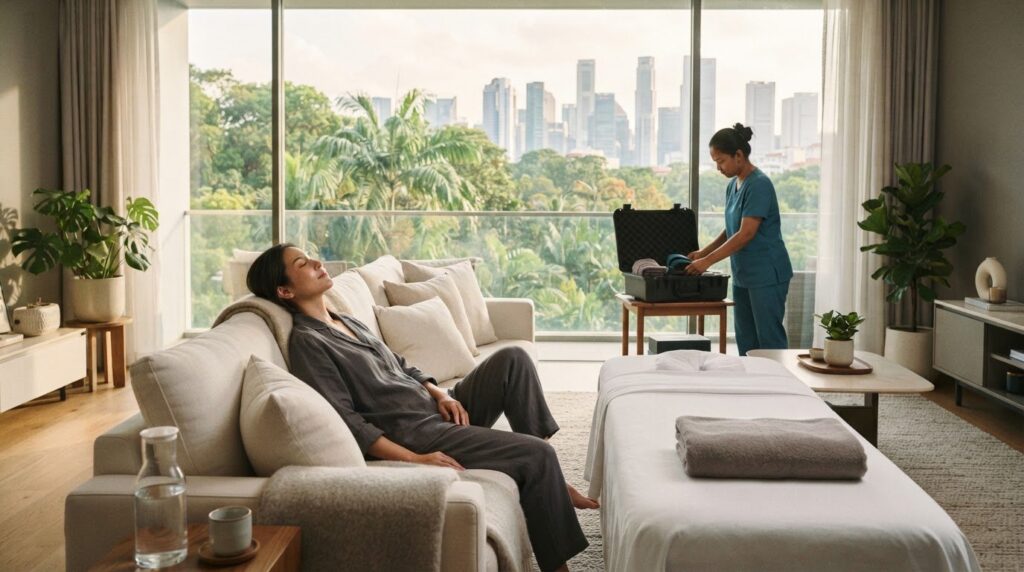
Deciding between Tui Na vs deep tissue for knots is only half the journey toward recovery. The environment in which you receive your treatment is just as critical as the technique itself. In Singapore, the stress of navigating peak-hour traffic or finding parking at a crowded wellness centre can quickly undo the benefits of a session. Professional mobile massage eliminates this logistical friction, transforming your home into a private sanctuary. By bringing the spa to you, we ensure that your transition from intense therapy to deep rest is immediate and effortless.
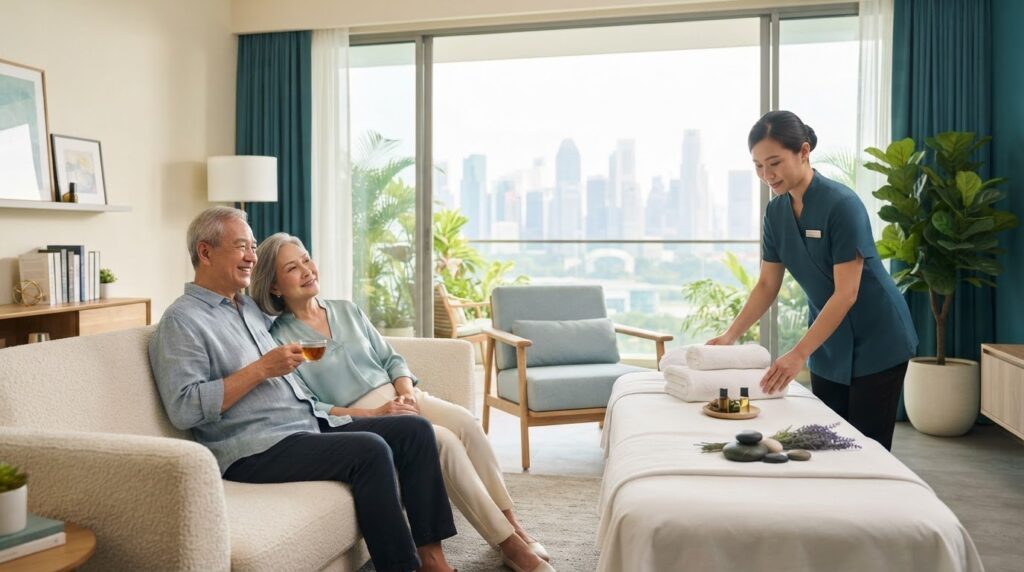
Our service is designed to match the standards of the city’s finest luxury hotels. We provide a comprehensive “spa-at-home” setup that includes full-size portable massage beds, freshly laundered linens, and premium aromatherapy oils. Ambient music and carefully selected scents complete the transformation. This meticulous attention to detail ensures that no standards are compromised, allowing you to focus entirely on your physical relief and anticipated relaxation.
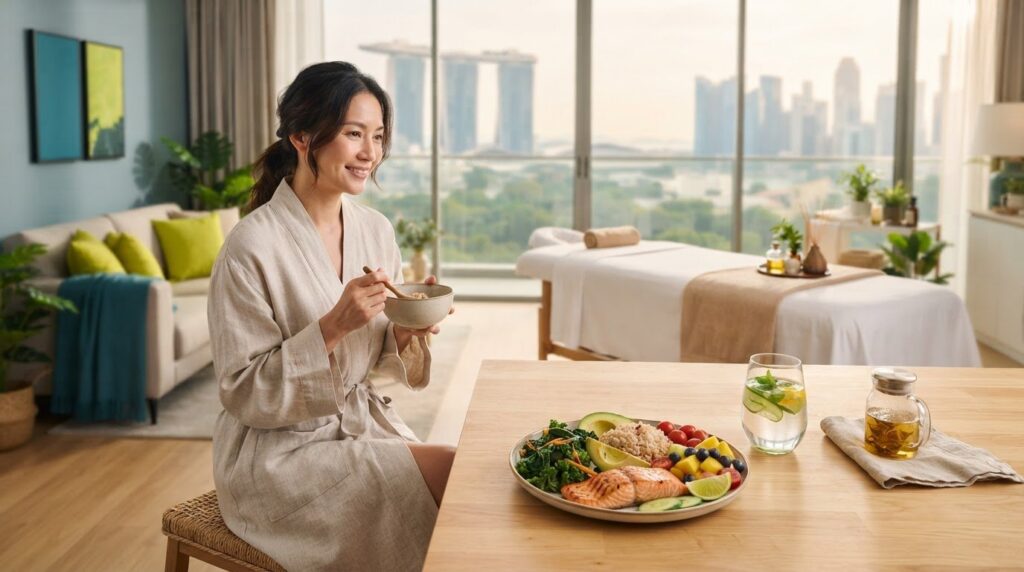
Travelling immediately after a vigorous session can cause muscles to re-tighten as your body reacts to the start-stop nature of transit and public commuting. When you remain in your familiar environment, your body can fully absorb the benefits of the treatment. Staying put may help your muscles remain in their newly lengthened, relaxed state. This is especially beneficial for busy PMEBs and young parents who have limited windows for self-care. Immediate hydration with post-treatment ginger tea and the option to move directly into a nap or a warm bath can support your recovery and enhance that sought-after “post-massage glow.”
Safety and trust are the cornerstones of a premium outcall experience. Unlike casual services that might use floor mats, we utilise professional equipment to ensure our therapists have the necessary leverage to address deep-seated tension effectively. Every therapist is a mature professional who has been meticulously vetted, arriving in a modest navy blue polo uniform to maintain the highest levels of decorum. This commitment to professional boundaries distinguishes our service as a credible partner in your wellbeing. Whether you need the rhythmic unblocking of a traditional treatment or the anatomical focus of a Western approach, our experts bring over 10 years of experience to your doorstep. If you’re ready to experience the convenience of a high-tier spa without the need for transit, you can book your professional mobile massage session today.
Finding the right path to physical relief shouldn’t be a source of further stress. Choosing between Tui Na vs deep tissue for knots depends on whether your body craves structural realignment or a rhythmic, energetic reset. Both techniques offer powerful ways to support your recovery and may help melt away the chronic stiffness born from long office hours. You deserve a solution that respects your time and eliminates the friction of modern life, allowing you to focus entirely on anticipated relaxation.
Our mature, certified therapists bring over 10 years of experience and a full luxury spa setup directly to your home or hotel. With island-wide coverage across Singapore, we provide a sanctuary without the need for transit, ensuring your post-massage glow remains undisturbed. From professional full-sized beds to premium aromatherapy oils, every detail is meticulously managed to provide a high-tier experience. It’s time to reclaim your comfort and invest in a self-care routine that truly serves you. Experience Professional Relief at Home-Book Now and take the first step toward a more vibrant, pain-free version of yourself.
Tui Na is often described as more vigorous because of its rhythmic rolling and compression techniques. While Deep Tissue relies on slow, sustained pressure to reach deep muscle layers, Tui Na focuses on dispersing energy blockages. Neither should be distressing. Our mature therapists constantly communicate to ensure the intensity remains within your comfort zone, effectively melting away tension without causing unnecessary discomfort. This ensures a restorative experience that prioritises your safety.
You can certainly enjoy a Deep Tissue session even with a low pain threshold. The therapist’s goal is to be effective, not to cause pain. Our professionals warm up the superficial muscles first before gradually increasing pressure. You remain in control of the intensity throughout the session. By providing feedback, the therapist can adjust their strokes to ensure the experience is both restorative and indulgent for your specific physical needs.
For consistent relief from chronic stiffness, many of our clients in Singapore find that a bi-weekly or monthly session works best. Regular maintenance can support healthy circulation and may help prevent trigger points from becoming chronic. Since knots often form from repetitive desk work or postural load, scheduling a recurring session ensures your body receives the necessary care before tension accumulates, supporting long-term mobility and your overall physical wellbeing.
You should wear loose, comfortable clothing or lightweight pyjamas for a Tui Na session. Unlike oil-based treatments, Tui Na is traditionally performed over a cloth or clothing. This makes it a convenient option for those who prefer to remain covered. Our therapists bring a professional setup to your home, so you only need to ensure your attire allows for a full range of movement during the rhythmic rolling and stretching techniques.
A single session may provide immediate relief from physical discomfort and improve your range of motion. However, stubborn or chronic knots that have developed over months of desk work often require a series of treatments for complete resolution. When comparing Tui Na vs deep tissue for knots, both modalities are most effective when integrated into a consistent self-care routine, allowing the muscle fibres to gradually realign and heal over time.
It’s common to experience mild muscle soreness or a sense of fatigue for 24 to 48 hours after a session. This is a natural response as stagnant energy is dispersed and blood flow increases. Drinking plenty of water and getting adequate rest following your treatment can support the body’s recovery process. Our mature therapists always provide post-session advice to ensure you feel pampered and cared for long after the session ends.
You can experience the benefits of both by choosing our Signature Massage. This bespoke treatment is designed for those who want to compare Tui Na vs deep tissue for knots through direct experience. It combines the anatomical precision of Western deep tissue with the rhythmic, energetic unblocking of Eastern Tui Na. This hybrid approach allows the therapist to tailor the session to your specific pain profile, providing a truly comprehensive and indulgent recovery.
Mobile massage is an excellent and safe option for elderly family members seeking relief from age-related stiffness. Our therapists are mature, experienced professionals who understand how to adapt their pressure and techniques for sensitive joints and muscles. By bringing a full spa setup directly to their home, we eliminate the stress of transit and provide a familiar, secure environment where they can receive professional support for their physical comfort.
 Amount to Pay$0.00
Scan to Pay