That sudden, hollow wave of hunger you feel the moment you rise from a massage bed isn’t just in your head. As your body settles into a restorative parasympathetic state, your heart rate eases, circulation surges, and your metabolism gently resets. Yet reaching for a heavy, oily meal can quickly replace that blissful calm with sluggish bloating. Knowing exactly what to eat after a massage makes all the difference between extending your bodywork’s soothing relief and taxing your newly relaxed digestive system.
It’s completely natural to feel torn between intense cravings and slight lightheadedness, or to wonder whether that post-treatment cup of coffee might derail your muscle recovery. You deserve to protect that profound state of rest without second-guessing your plate. In this guide, you’ll discover wholesome meal options, crucial hydration guidelines, and thoughtful timing strategies that can support gentle tissue repair, helping you stay light, nourished, and deeply relaxed long after your session ends.
Professional bodywork alters your internal baseline in profound, restorative ways. Many commercial wellness blogs rely on simplistic clichés about “flushing toxins”, but the true biological shift is far more sophisticated. As manipulated soft tissues release everyday metabolic by-products like lactic acid and cellular debris, your circulatory and lymphatic systems work in harmony to transport these substances toward your kidneys and liver for standard filtration. Selecting what to eat after a massage is less about magical detoxification and more about supplying the raw resources your tissues require to rebuild without straining your system.
Targeted manual pressure acts like a mechanical pump. As established in clinical reviews of massage therapy, deliberate mechanical strokes compress and release vascular beds, propelling stagnant extracellular fluid directly into lymphatic channels. This process temporarily recalibrates fluid balance across your muscle fibres. Hydration levels drop slightly as moisture moves into vascular transit, which is why immediate post-treatment care demands replenishing liquids to carry restorative nutrients straight back into recovering tissues.
Beyond fluid dynamics, hands-on therapy gently downregulates the sympathetic nervous system. Heart rate slows, cortisol drops, and your body enters a deep parasympathetic state. This transition creates unique digestive conditions that dictate what to eat after a massage:
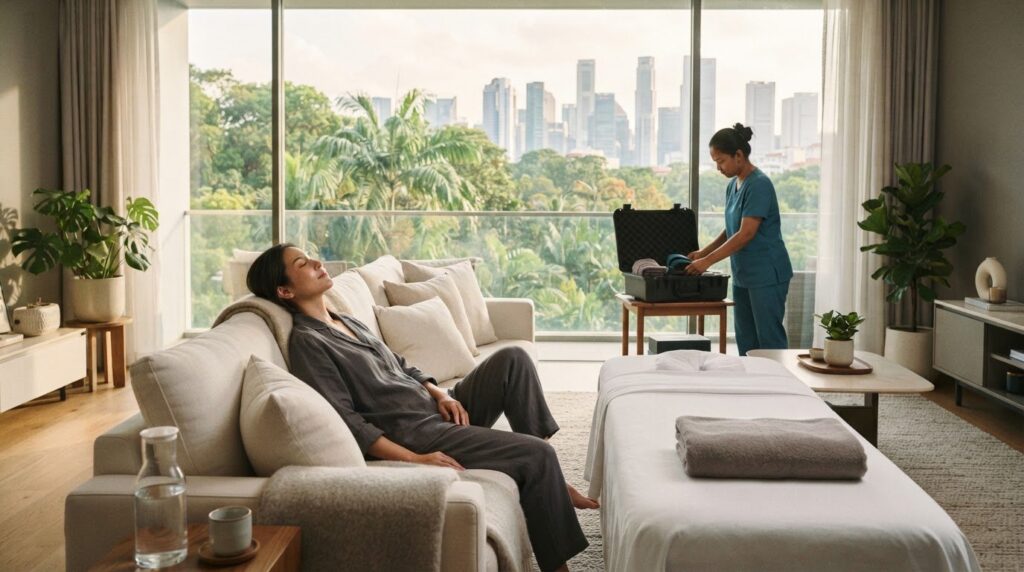
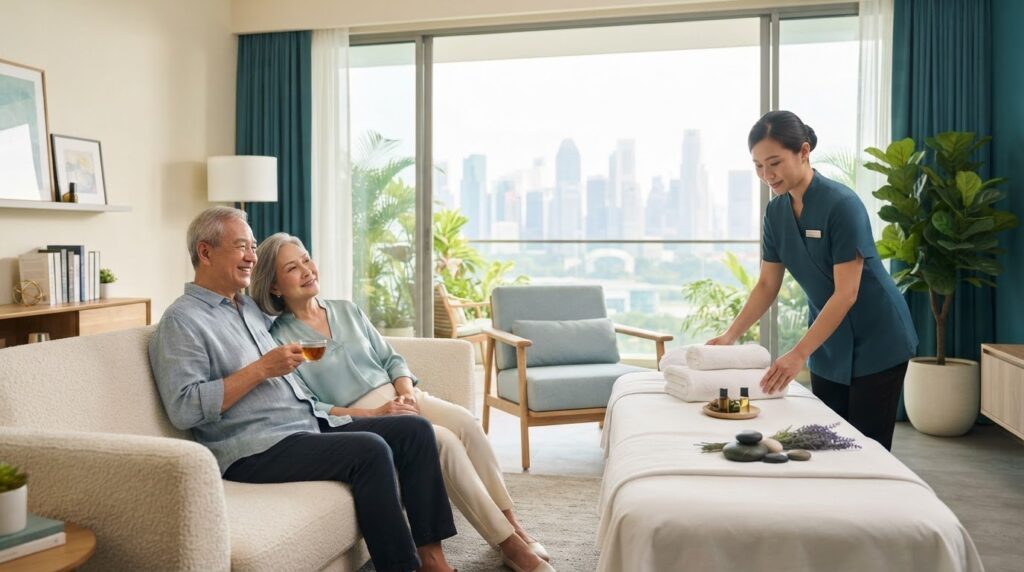
Experiencing a treatment through a dedicated home massage lets you honour this delicate window without having to navigate crowded dining rooms. Resting quietly in your living room allows circulation to gently return inward, ensuring your digestive tract is calm and ready before you introduce restorative sustenance.
Selecting what to eat after a massage requires intentional balance. Instead of grabbing the nearest snack, choose clean, restorative ingredients that comfort your digestion while replenishing cellular reserves. The goal is to provide amino acids for soft tissue recovery and sustained carbohydrates to rebuild glycogen without triggering lethargy.
Hydrating produce restores intracellular fluid balance that shifts during intensive bodywork. Juicy fruits deliver organic water packed with essential micronutrients:
Muscles manipulated during bodywork benefit from gentle building blocks. Research in exercise physiology suggests consuming 20 to 40 grams of protein alongside moderate carbohydrates within two hours aids tissue repair; the same principle helps tired muscles settle after deep physical therapy.
Gentle steamed white fish, silken tofu, or a light portion of poached chicken breast provide clean amino acids that are easy on your relaxed stomach. Pairing these with healthy fats, like half an avocado drizzled with cold-pressed extra virgin olive oil, supports cellular repair. If your appetite remains modest, a warm bowl of clear vegetable or bone broth replenishes trace minerals while comforting internal organs.
Warm liquids work wonders for sensitive post-treatment digestion. Drinking tepid or warm herbal infusions keeps your internal temperature steady, avoiding the shock that ice-cold drinks can cause to a resting digestive tract.
Chamomile and lavender infusions prolong tranquil parasympathetic relaxation, preparing you for restorative sleep. If your stomach feels slightly unsettled, freshly steeped ginger or peppermint tea can ease mild bloating. Booking a relaxing treatment through The Outcall Spa brings this entire ritual into your private living space, letting you move straight from the massage table to your kitchen counter to prepare your favourite calming brew.
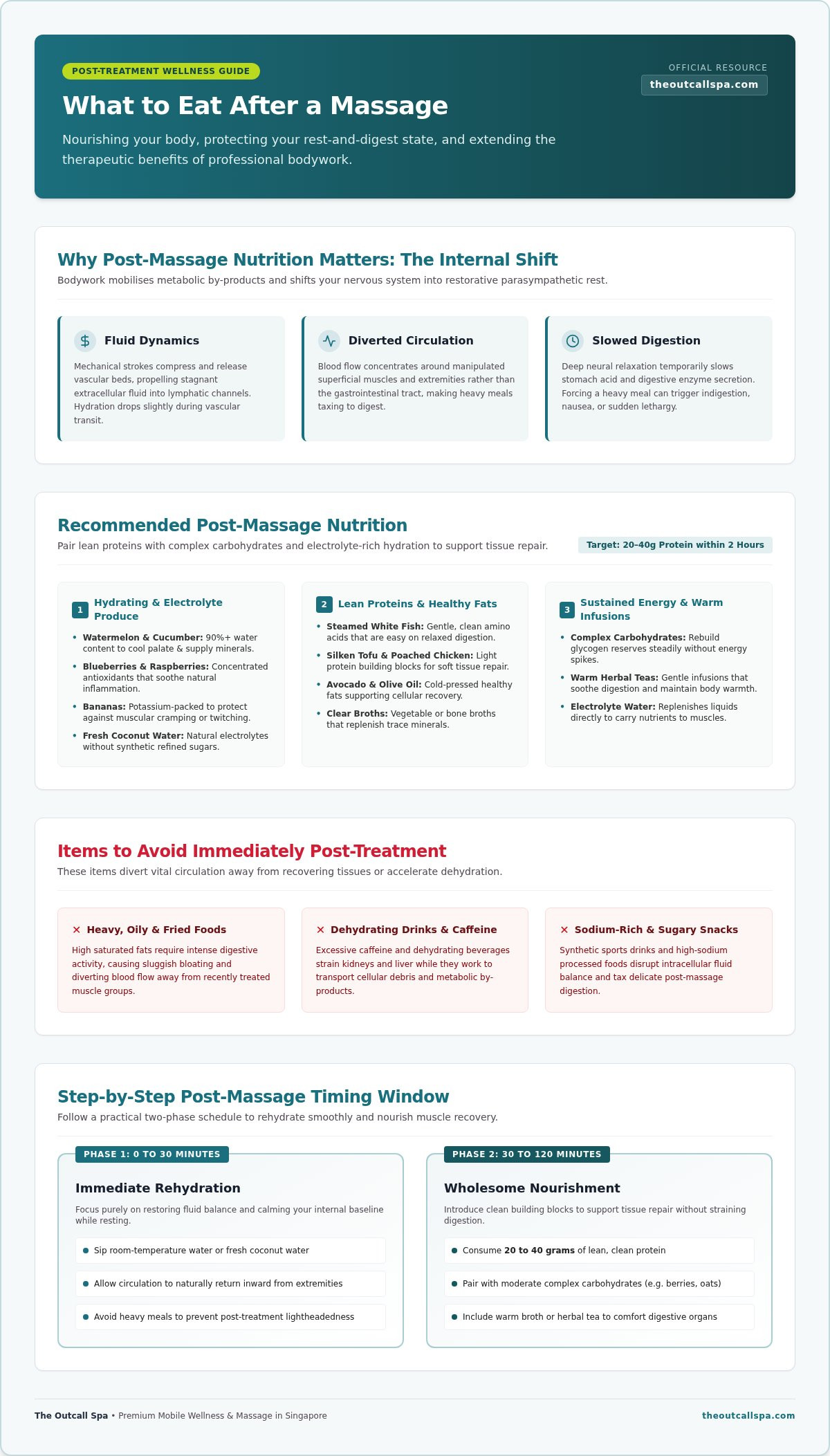
Just as clean foods support physical ease, the wrong indulgences can swiftly reverse your progress. Bodywork opens up tissue vascularity and encourages systemic rest; consuming taxing items forces your internal organs into overdrive. Understanding what not to consume is just as vital as choosing what to eat after a massage to prevent tension, nausea, and premature fatigue.
Reaching for an espresso or a glass of wine directly after a session disrupts your body’s restorative rhythm. Both beverages carry physiological consequences that work against therapeutic bodywork:
Rich, fried hawker fare and heavy cream dishes place immediate strain on your digestive tract. With blood flow still concentrated near the skin and superficial muscle groups, your stomach lacks the concentrated circulation needed to process dense fats. This mismatch leads to intense lethargy, acid reflux, and heavy bloating.
Excessive sodium is equally problematic. Ultra-processed snacks encourage sudden fluid retention, creating puffiness and exacerbating tenderness in treated tissues. Refined sugary confectioneries are another hazard, causing rapid spikes in blood glucose followed by steep crashes that promote systemic inflammation. When planning what to eat after a massage, steer clear of processed sugars and deep-fried dishes for at least several hours to give your body the calm space it needs to integrate the treatment fully.
Timing your intake is just as important as selecting wholesome ingredients. Flooding a restful gut too quickly can shock your system, while waiting too long leaves your muscle fibres starved of essential recovery nutrients. By following an intentional, phased schedule for what to eat after a massage, you protect your body’s restorative rhythm and avoid post-treatment fatigue.
Give solid foods a pause during this opening window. Your immediate focus belongs entirely on fluid replenishment, as your vascular and lymphatic channels are actively processing metabolic by-products. Aim to drink 8 to 16 ounces (about 1 to 2 glasses) of room-temperature filtered water within the first hour of your session. Sip slowly rather than gulping; introducing liquid gradually allows soft tissues to absorb moisture without overwhelming your bladder or stomach. Adding a slice of fresh lemon provides subtle taste while gently awakening sluggish digestive salivary enzymes.
Once 30 to 60 minutes have elapsed, your nervous system begins rebalancing, making it safe to introduce light solids. This is the optimal window to satisfy mild hunger without taxing internal circulation. Excellent choices include:
Listen closely to physical cues. If you feel genuine hunger, enjoy a small portion; if your stomach feels neutral, do not force food simply out of routine.
Around two hours post-treatment, your digestive system is fully prepared to handle a complete, restorative plate. Combine easily digested lean proteins like baked cod or organic tofu with steamed leafy greens and complex starches such as quinoa or brown rice. Leafy greens like spinach and kale supply magnesium, which can support sustained nocturnal muscle fibre repair.
Ensure you finish your dinner at least two hours before bedtime to guarantee uninterrupted sleep. If you are ready to experience deep muscular relief paired with effortless post-care rest, you can easily book your treatment online and enjoy an unhurried evening in your own home.
The benefits of exceptional bodywork extend well past the final stroke. Yet for many busy professionals across Singapore, stepping out of a traditional day spa into peak-hour traffic or crowded MRT platforms shatters that state of calm immediately. Navigating bustling commercial centres often forces hasty decisions about what to eat after a massage, leaving you at the mercy of oily food courts or heavy dining options that undo the tranquil release of tension you just achieved.
Enduring humid commutes and street noise triggers a subtle surge in cortisol, kicking your central nervous system out of its parasympathetic recovery mode. Booking an experienced therapist for a home massage preserves every ounce of your post-treatment serenity. By eliminating the friction of travel, your lowered blood pressure and relaxed pulse remain undisturbed, allowing you to slip quietly from the treatment table straight to your living room sofa or bedroom.
Receiving bodywork in your private residence turns aftercare into an effortless, luxurious ritual. Before your therapist arrives, you can prepare a custom carafe of cucumber-infused water or place light, wholesome snacks inside your refrigerator. Once your session concludes, you do not need to pack a bag or wait for a ride:
Enjoying an unhurried, restorative meal within your personal sanctuary lets you support soft tissue repair while maintaining the deep mental stillness your body deserves.
Nourishing your body thoughtfully after therapeutic bodywork preserves the calm you worked hard to cultivate. Prioritising gentle hydration, replenishing tired muscles with lean proteins, and sidestepping heavy stimulants can support natural tissue repair without shocking your digestive tract. Knowing what to eat after a massage turns a simple meal into an essential extension of your personal wellbeing.
With over a decade of mobile spa excellence across Singapore, The Outcall Spa delivers certified therapists, luxurious full-size massage beds, and organic aromatherapy directly to your doorstep. You never have to brave humid traffic or settle for hasty dining. Instead, transition smoothly from deep tension release straight into the quiet comfort of your kitchen and bedroom. Book your bespoke home massage to enjoy effortless relaxation and recovery without ever leaving your sanctuary.
Avoid eating a heavy meal within 90 minutes to two hours before your session. Lying prone on a massage table with a full stomach causes uncomfortable pressure and nausea. Circulation also diverts to superficial muscle groups during bodywork, which can stall digestive processing. If you need a pre-treatment boost, choose an easily digestible snack like a banana or dry oatcakes roughly 45 minutes prior.
Intense bodywork stimulates blood flow, lowers blood pressure, and activates your parasympathetic nervous system, commonly known as the rest-and-digest response. This neurological transition signals your brain that it is time to restock internal resources. Manipulating tense muscle groups also accelerates local fluid exchange, creating a subtle drop in blood glucose that registers as sudden, ravenous hunger once you stand up.
Natural coconut water is an outstanding alternative, offering clean cellular hydration and essential potassium without synthetic syrups. Warm herbal infusions like peppermint, chamomile, or freshly sliced ginger tea gently comfort sensitive internal organs while sustaining deep relaxation. You can also infuse room-temperature water with fresh cucumber slices or crushed mint to add subtle flavour that encourages continuous, gradual sipping throughout the afternoon.
It is best to avoid alcohol for at least 12 to 24 hours after deep pressure work. Massage increases systemic vascular circulation, accelerating how rapidly your liver absorbs alcohol and amplifying its diuretic properties. Having a drink post-treatment can trigger throbbing headaches, next-day sluggishness, and tight connective tissue. Waiting until the following day protects your restorative gains and lets soft tissues rehydrate undisturbed.
Post-treatment dizziness usually stems from a drop in blood pressure or a rapid dip in blood sugar. When considering what to eat after a massage to steady yourself, choose simple, easily absorbed natural carbohydrates paired with soothing liquids. Sip warm ginger tea or coconut water, and nibble slowly on half a ripe banana or a plain cracker. Avoid heavy fats or dairy, which can irritate a sensitive stomach.
Wholesome nutrition can support soft tissue recovery and ease transient muscular soreness. Consuming clean, easily absorbed proteins provides amino acids for soft tissue repair, while antioxidant-packed fruits like blueberries help calm natural inflammatory responses. Staying well-hydrated alongside eating magnesium-dense foods, like steamed spinach or seeds, can also prevent lingering muscular tightness, leaving your body feeling supple, relaxed, and renewed the following morning.
Plan to wait roughly one to two hours before sitting down for a complete, structured meal. This buffer gives your resting nervous system adequate time to recalibrate and allows circulation to return inward toward your digestive organs. If you are uncertain about what to eat after a massage during this initial window, enjoy a light snack like Greek yoghurt with berries or a warm cup of clear broth.
 Amount to Pay$0.00
Scan to Pay