With 61% of employees in Singapore reporting burnout in 2026, finding a moment of genuine relief is a necessity, yet the hardest part is often keeping that feeling alive. You likely know the frustration of a deep tissue massage where the tension melts away, only for the physical benefits to vanish the moment you face a humid commute or a barrage of urgent emails. It’s a common struggle to maintain that sense of lightness when the high-pressure pace of local work culture demands your immediate attention. You aren’t alone in wishing those few hours of bliss could stretch into days of sustained wellbeing.
This guide focuses on extending the benefits of your massage by mastering the “golden window” of recovery that follows your session. We provide professional strategies to preserve your muscle flexibility and improve sleep quality without the disruption of travel. You’ll discover how to transition from a state of deep relaxation back into your routine with a clear, actionable recovery plan designed for the Singaporean home. From optimizing hydration to managing digital strain, these expert tips ensure your post-treatment glow remains a sanctuary of calm long after your professional therapist departs.
The moment your therapist packs their professional equipment and departs, a critical window opens. We call this the Golden Hour. It’s the first 60 minutes following your treatment, a time when your body is most receptive to healing. During this period, your nervous system remains in a parasympathetic state, often described as ‘rest and digest’. Staying in this state is essential for extending the benefits of your massage. If you immediately rush back into the high-pressure Singapore work culture, you force your body into a ‘fight or flight’ response, which can cause muscles to tighten prematurely.
The primary goal of Manual therapy is to improve physical function and induce deep relaxation, but the work doesn’t end when the therapist leaves. You have a proactive role to play. Instead of complete stagnation, consider very gentle movement, like a slow walk around your home. This encourages circulation without straining the tissues that have just been worked on. It’s about maintaining a flow that keeps the body supple while the mind remains calm.
Sip room-temperature water steadily. While a chilled drink might feel refreshing in our tropical climate, room-temperature water is gentler on a relaxed system. Proper hydration is vital for flushing out metabolic waste that is often released during a deep tissue massage. When muscles are manipulated, they release byproducts that the lymphatic system must process. Without enough water, you might experience mild lethargy or premature soreness. Avoid caffeine and alcohol for at least 12 to 24 hours. These substances are dehydrating and can interfere with the repair process your body is currently undertaking.
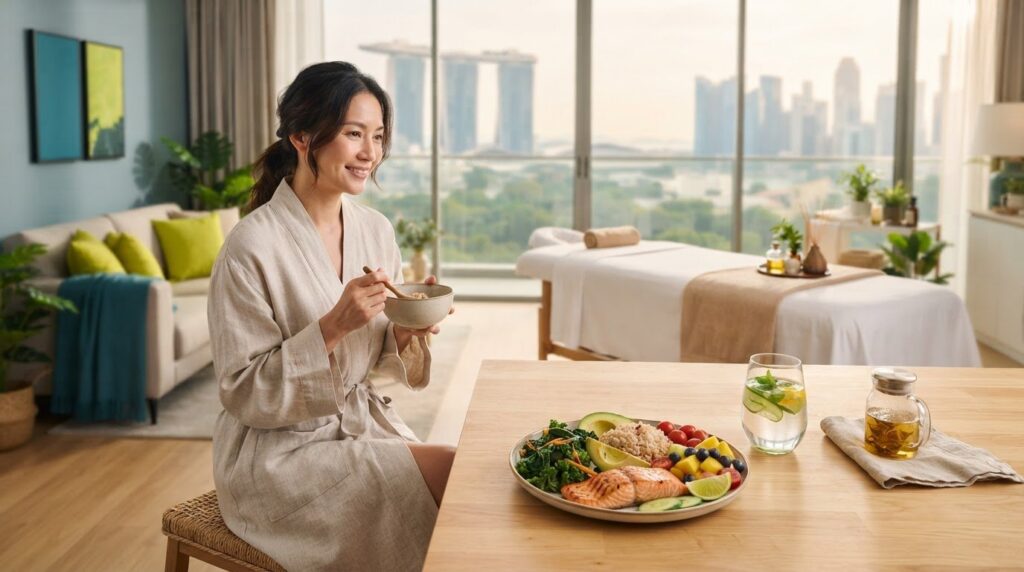
Your body’s energy should be focused on muscle recovery, not heavy digestion. Opt for light, nutrient-dense snacks such as a handful of almonds or a piece of fresh fruit. These provide immediate sustenance without redirecting significant blood flow away from your recovering muscles. Magnesium-rich foods, like spinach or seeds, may support continued muscle relaxation and help prevent the return of tension. By following these steps during the Golden Hour, you’re actively extending the benefits of your massage. Choosing a home massage means you have immediate access to your own kitchen, allowing you to prepare these healthy options without the friction of finding a meal while in a dazed, relaxed state.
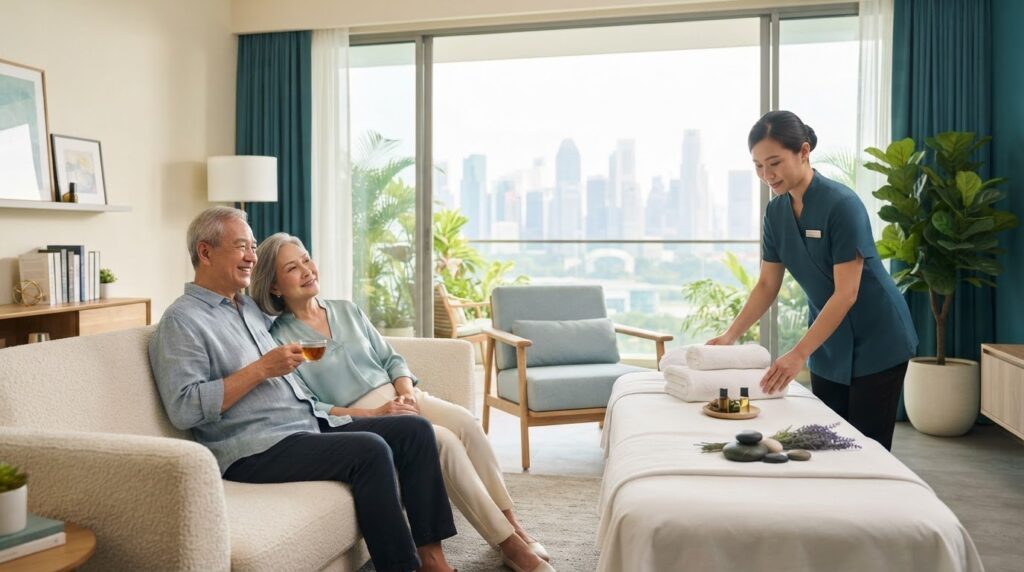
Returning to a cluttered, noisy space immediately after a treatment can cause a sudden jolt to your nervous system. The psychological impact of visual chaos triggers an instant rise in cortisol, effectively undoing the deep relaxation your therapist just achieved. When you choose a premium mobile service, you avoid the transit, but you must still prepare your living space to receive you. Transitioning smoothly from the massage bed to your own living room requires intentional environmental curation. By designing a sanctuary at home, you’re actively extending the benefits of your massage and protecting your investment in your wellbeing.
According to the scientific evidence on massage, the therapy is effective for reducing stress and supporting muscle function, but environmental factors play a major role in how long those effects endure. Creating a seamless transition means keeping the ambient lighting soft for several hours after your session. Keep the blinds drawn or use warm, dim lamps to mimic the peaceful atmosphere of a luxury spa. This simple adjustment signals to your brain that the period of rest is still ongoing, allowing your mind to settle deeply into a state of recovery.
Managing the ‘Singapore Air-con Factor’ is critical for physical maintenance. Chilling temperatures cause your blood vessels to constrict and your muscles to instinctively tense up, which can trigger immediate re-tightening. Adjust your air-conditioning unit to a comfortable 24 to 25 degrees Celsius rather than a freezing setting. This thermal balance keeps your body comfortably warm while preventing sweating. Slip into loose, breathable clothing made from natural fibres like cotton or silk. These fabrics allow your skin to breathe while maintaining the ideal body temperature required to keep your muscles supple.
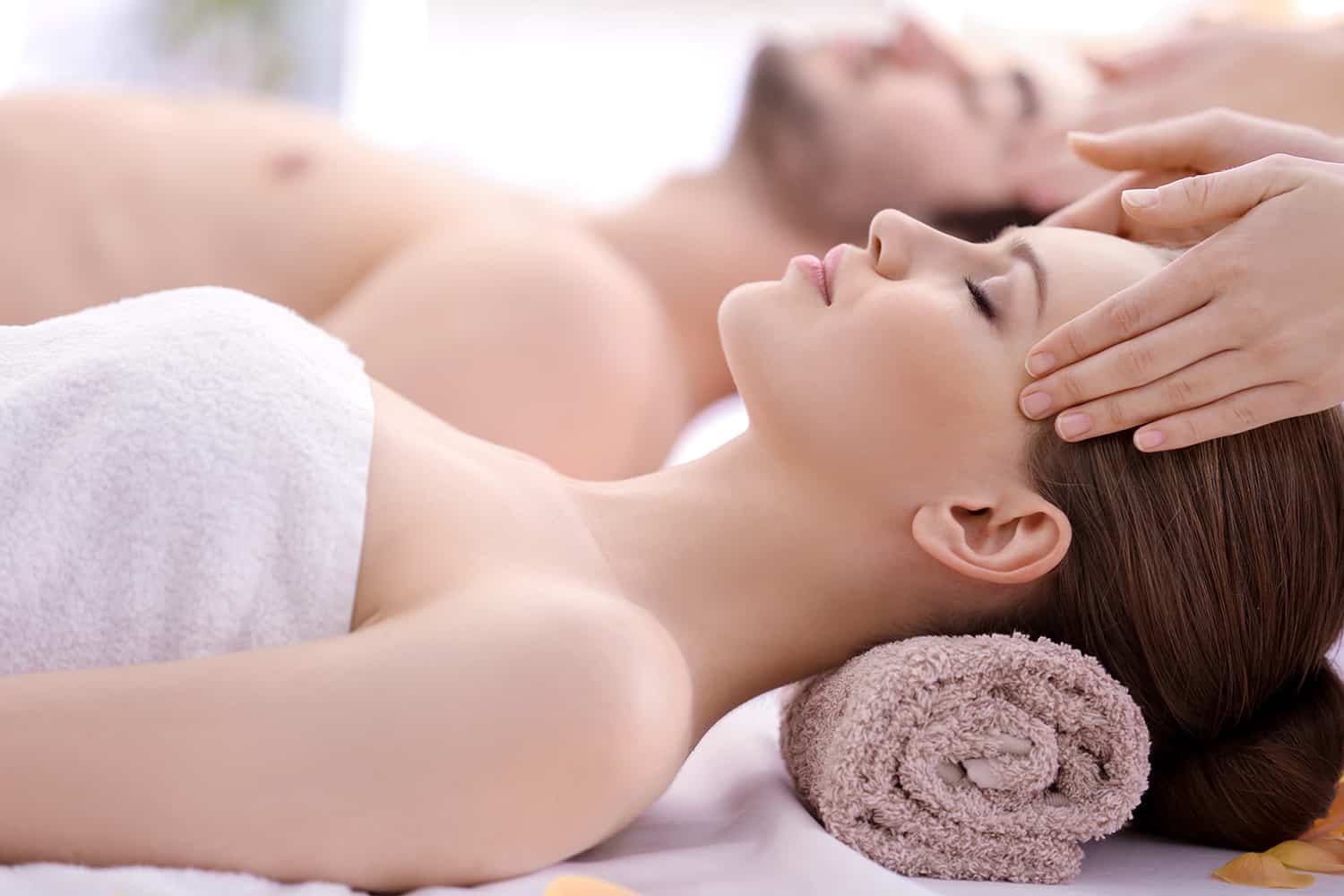
Keep the relaxation going by preserving the sensory elements of your treatment. The premium aromatherapy oils used during your session continue to nourish your skin and soothe your senses long after the therapist leaves, so delay your shower for at least a few hours. You can enhance this effect by playing a curated post-massage playlist filled with soft acoustic tones or nature sounds. This auditory cue helps keep the brain in a relaxed theta-wave state, preventing the sudden return of everyday mental chatter. If you want to experience this seamless transition first-hand, consider arranging a luxurious home massage to transform your private space into a lasting haven of rest.
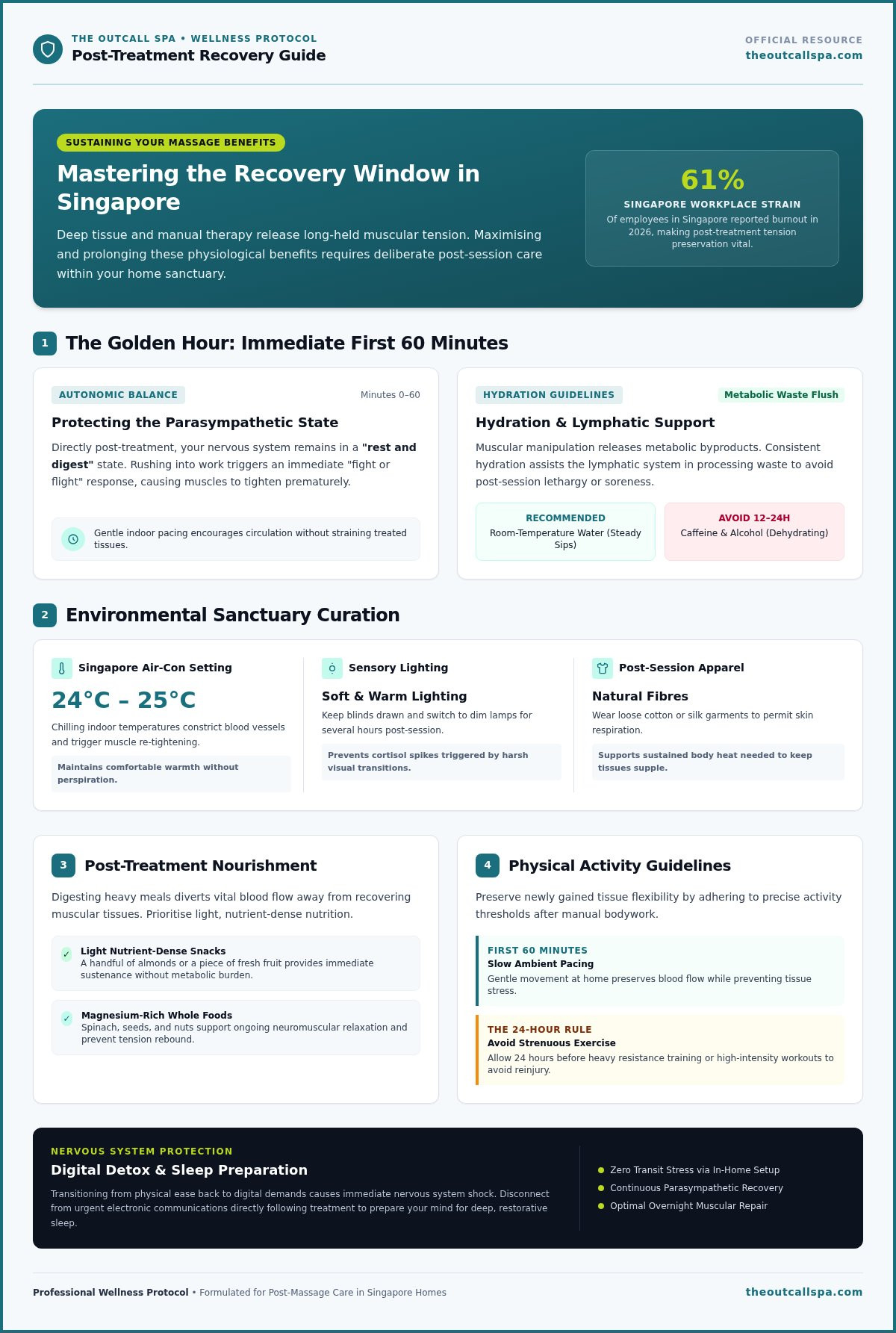
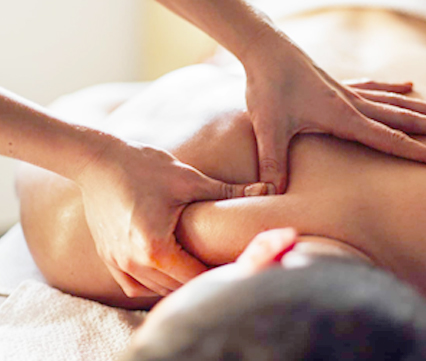
After your therapist departs, your muscles are often in a state of deep release. It’s tempting to jump straight back into a high-intensity routine, but rushing this process can reverse the progress made. Sticking to a strict 24-hour rule for strenuous exercise is one of the most effective ways of extending the benefits of your massage. During this window, your muscle fibres are recovering from the manual manipulation. Subjecting them to heavy weights or intense cardio can lead to unnecessary inflammation or even minor strains. Your body needs this time to integrate the structural changes achieved during the session.
Understanding the difference between ‘good’ and ‘bad’ soreness is vital. You might feel a slight tenderness, similar to the feeling after a productive gym session. This is a normal physiological response often referred to as therapeutic soreness. However, sharp or radiating pain is a signal to rest. To manage any minor inflammation, rely on natural recovery rather than aggressive interventions. Integrating these protocols is a proactive way of extending the benefits of your massage over the following days. Gentle movement is your best ally during this recovery phase.
Instead of complete rest, focus on low-impact activity. If you’re a professional working from a home office, practice simple neck and shoulder rolls every hour. This prevents the ‘Singapore Slump’, where the body instinctively hunches forward toward a screen, causing the newly relaxed muscles to tighten again. A short, slow walk around your estate or condo grounds helps keep your circulation flowing without putting stress on your joints. Avoid high-intensity interval training (HIIT) or spin classes for at least one full day. You want to keep the blood moving without demanding peak performance from your healing tissues.
Water and heat can be powerful tools for muscle maintenance when used correctly. A warm bath with Epsom salts can further soothe muscle fibres and support the absorption of magnesium through the skin. Ensure the water is warm rather than scalding; excessive heat can sometimes increase inflammation in areas that received deep pressure. While ice packs are common in sports recovery, they should only be used if specifically recommended by a professional for a specific injury. If you find the premium oils from your home massage feel a bit heavy after a few hours, a quick, warm shower is perfectly fine. It helps clear the skin while the steam provides a final, gentle touch of relaxation to your respiratory system.
The mental clarity following a professional treatment is often as profound as the physical relief, yet it’s incredibly fragile. In a city where 80% of people report feeling mentally drained by prolonged screen time, the temptation to immediately check your phone is the greatest threat to your peace. Exposure to blue light post-massage can startle a freshly relaxed nervous system, triggering a spike in cortisol that abruptly ends your state of calm. A 2-hour digital detox is a strategic move for extending the benefits of your massage, allowing your brain to remain in a restorative alpha-wave state. By silencing notifications, you create a buffer against the ‘Singapore Hustle’ that so often encroaches on personal time.
Health authorities like the Health Promotion Board recommend avoiding screens for at least 60 minutes before bed to prevent melatonin suppression. When you’ve just received bodywork, doubling this window ensures the parasympathetic nervous system stays dominant. This mental sanctuary is not just about avoiding work; it’s about protecting the investment you’ve made in your own wellbeing. Instead of scrolling, let your mind drift through the lingering scents of premium aromatherapy oils, anchoring yourself in the present moment of ease.
A massage is the perfect precursor to restorative rest, but only if you prepare the environment in advance. Before your therapist arrives for your hotel massage or home session, dim the lights in your bedroom and turn down the bed linens. This eliminates the need for ‘functional’ tasks once the session ends, allowing you to move directly from the massage bed to sleep. Research indicates that massage therapy can support improved REM sleep cycles by reducing the physical tension that causes mid-night tossing and turning. Set a strict ‘no-work’ boundary for the rest of the evening. Even a single ‘quick’ email can reignite muscle tension in the neck and jaw, undoing the therapist’s skilled work.
Take ten minutes to conduct a quiet body scan once you’re alone. Gently move your attention from your toes to your crown, identifying exactly where the relief feels most prominent. Some find that journaling or quiet reflection helps process the mental release that often accompanies deep tissue work. Mindfulness is the practice of maintaining the present-moment awareness of your body’s new state of ease. By consciously noticing how your shoulders feel lower and your breathing feels deeper, you train your brain to recognise and return to this state more easily in the future. To secure this deep level of rest, you can reserve your evening sanctuary today and experience the transition to sleep without the friction of travel.
The journey home from a traditional physical spa is often where the relief begins to fade. Navigating a crowded MRT station or driving through peak-hour traffic on the PIE creates an immediate spike in cortisol, the body’s primary stress hormone. This “Commute Curse” forces your nervous system to switch from a restorative state back into an alert mode, causing muscles to tighten almost instantly. By choosing an outcall massage Singapore professionals trust, you eliminate this logistical friction. You’re effectively extending the benefits of your massage by staying within the “therapeutic bubble” created by your therapist, allowing the physiological changes to settle without interruption.
Deep relaxation depends heavily on a sense of privacy and safety. Your brain is hardwired to remain slightly alert in unfamiliar public spaces, even in a luxury spa. In the comfort of your own home or hotel room, your subconscious mind can fully let go. This sense of security allows for a deeper level of parasympathetic activation, which can support long-term muscle recovery and mental clarity. You have total control over your surroundings, from the scent of the premium oils to the exact moment you transition to rest.
Heart rates and blood pressure levels differ significantly between someone driving in Singapore traffic and someone resting on their own sofa. Someone forced to navigate the roads post-treatment will experience a rapid rise in stress markers, undoing much of the therapist’s work. In contrast, staying at home allows for immediate horizontal rest. This period of stillness is vital for extending the benefits of your massage as it gives the lymphatic system time to process metabolic waste without the strain of physical exertion. You aren’t just saving time; you’re protecting the structural integrity of your treatment.
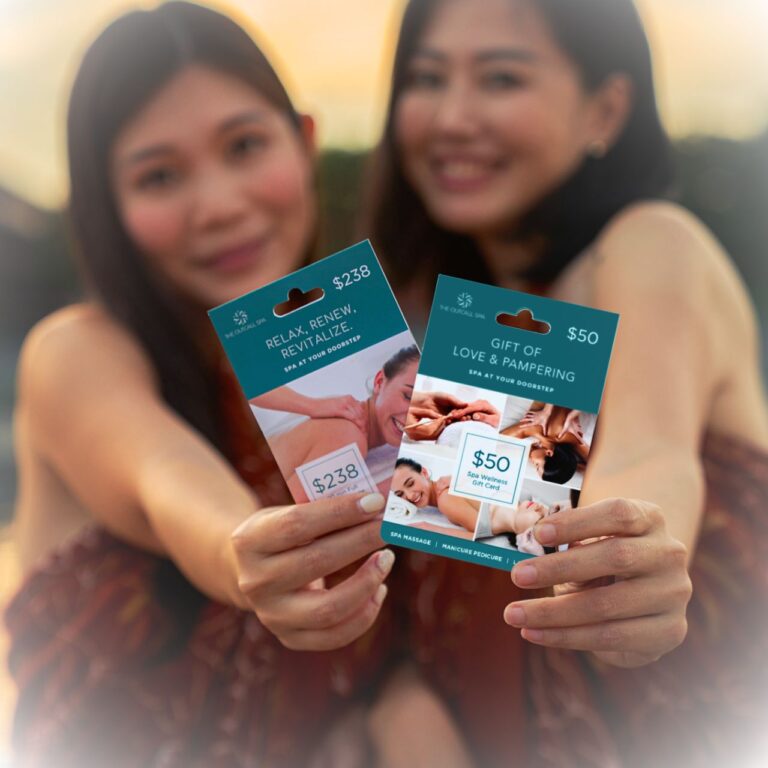
Consistency is the key to moving beyond temporary relief toward lasting physical comfort. Regular mobile sessions create a cumulative effect, where each treatment builds upon the last to improve your baseline wellbeing. Integrating these services into your routine helps manage the chronic tension associated with condo living and a sedentary work culture. Many clients use gift cards to establish a predictable self-care schedule for themselves or as a thoughtful gesture for loved ones. Whether it’s a monthly deep tissue session or a weekly signature massage, making mobile spa services a pillar of your home wellness strategy ensures that relaxation becomes a permanent state rather than a fleeting luxury.
Mastering the art of recovery is just as vital as the treatment itself. By curating your environment and respecting the body’s need for stillness, you’re actively extending the benefits of your massage. The true luxury of a mobile service isn’t just the saved time; it’s the ability to remain in a state of deep healing without the intrusion of the outside world. You now have the professional strategies to manage the Singapore climate, handle post-session movement, and protect your mental state from digital strain.
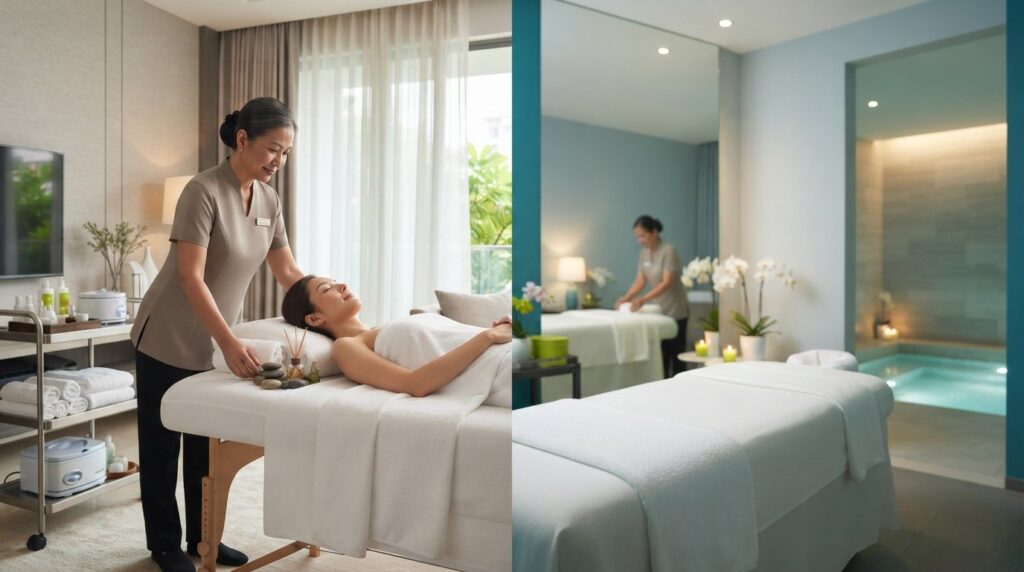
With over 10 years of trusted service in Singapore, our certified, professional therapists bring a full luxury spa setup directly to your door. We provide the premium equipment and expertise required to turn your private space into a high-tier sanctuary. Don’t let the pressure of the work week reclaim your comfort so quickly. Book your sanctuary at home today and experience lasting relief with The Outcall Spa. You’ve invested in your health; now let that sense of ease carry you through the days ahead.
The physical and mental relief from a single session typically lasts between two to four days. However, by proactively extending the benefits of your massage through the strategies mentioned in this guide, you can sustain these effects for up to a week. The duration depends on your activity levels and how well you protect the “golden window” of recovery. Consistent sessions help establish a higher baseline of physical comfort.
It’s perfectly normal to experience a sense of heaviness or “massage brain” after your session. This feeling indicates that your nervous system has successfully shifted into a parasympathetic state, prioritising rest and internal repair. Your body is directing energy toward muscle recovery and metabolic processing. Embrace this period of lethargy as a sign that the treatment was effective, and allow yourself at least two hours of quiet rest.
You should avoid strenuous activity for at least 24 hours, even if you feel a surge of energy. High-intensity workouts can lead to muscle strain or increased inflammation in tissues that have just been deep-worked. Your muscles are in a vulnerable, relaxed state and require time to integrate the structural changes. Use that extra energy for light, mindful tasks or a slow, contemplative walk around your condo instead.
Failing to hydrate can lead to headaches, increased muscle soreness, and a general feeling of sluggishness. During a session, manual manipulation helps release metabolic byproducts into your system. Water acts as the vehicle to flush these out through the lymphatic system. Without adequate fluid intake, these byproducts can linger, potentially causing mild discomfort and preventing you from extending the benefits of your massage effectively.
A bi-weekly or monthly schedule is often recommended to maintain a cumulative impact on your wellbeing. A 2025 study found that bi-weekly deep tissue sessions significantly improved long-term flexibility and muscle recovery over an eight-week period. Regularity prevents tension from reaching a critical point of pain. By establishing a routine, you ensure your body remains in a state of maintenance rather than constant crisis management.
Evening sessions are generally superior for longevity as they lead directly into restorative sleep. Having a therapist arrive at your home after work eliminates the stress of a commute, allowing you to drift into sleep while your muscles are at their most supple. However, a morning session can be beneficial if your goal is to tackle a high-pressure day with reduced physical tension and improved mental focus.
You don’t need to switch it off entirely, but you should avoid direct, cold drafts. Sudden exposure to chilling temperatures can cause muscles to contract and re-tighten instinctively. Set your unit to a moderate 24 or 25 degrees Celsius and wear natural, breathable layers. This prevents the “thermal shock” that often occurs when moving from a warm, relaxed state into a cold, air-conditioned room in Singapore.
Mild tenderness, often called therapeutic soreness, is common and usually fades within 48 hours. You can support your recovery by drinking plenty of room-temperature water and taking a warm bath with Epsom salts. Gentle stretching may also help maintain the range of motion gained during your session. If the soreness feels sharp or persists longer than two days, prioritising rest and light movement is the best course of action.
 Amount to Pay$0.00
Scan to Pay