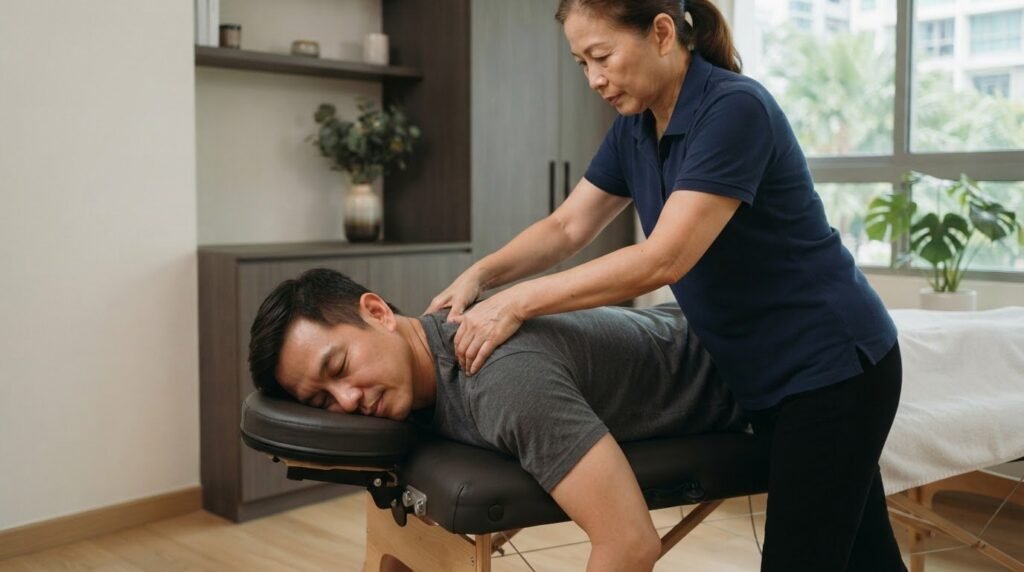
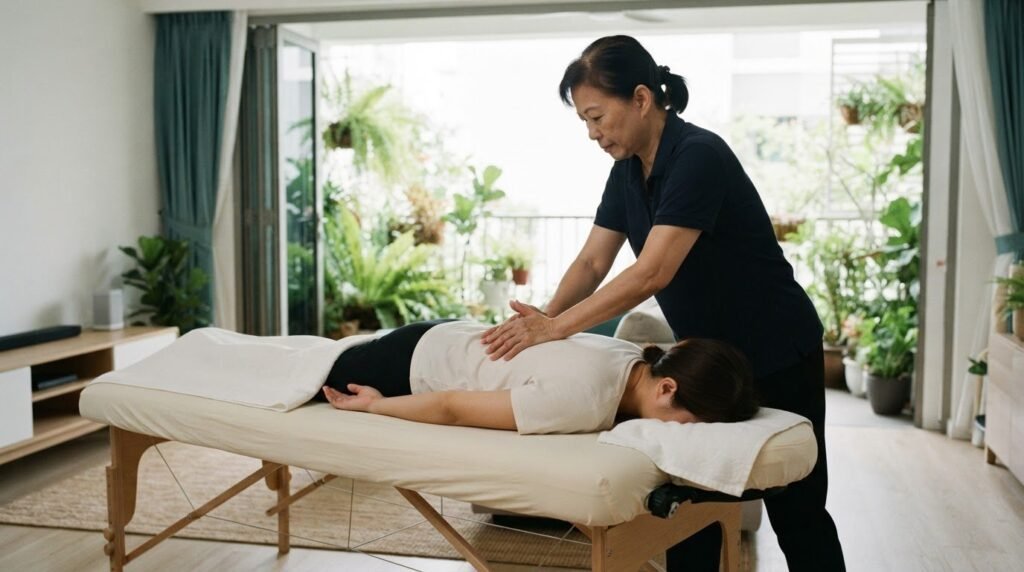
A massage isn’t automatically soothing if touch feels uncomfortable. A massage for people who dislike being touched may be suitable for someone with haphephobia only if they feel willing, in control and comfortable with the plan. If the idea brings panic or distress, choosing not to proceed is valid.
It’s understandable to worry about lying face down, being touched by a practitioner or not knowing what will happen next. Those concerns deserve a clear conversation before any session, not pressure to push through. Discuss what feels manageable, agree on boundaries, and pause or stop if your comfort changes.
This article explains how to decide whether massage feels right for you, and how gradual touch, careful draping and clear communication can make a session more predictable. You’ll also learn what to consider when choosing a setting and style, so your decision starts with your sense of safety and choice.
Key Takeaways
- Choose massage only if you genuinely want to try it; you can set preferences and speak up about what feels comfortable.
- Small, gradual steps can make touch feel more predictable, with the pace guided by your comfort.
- Consider whether the setting and massage style feel manageable, especially if touch brings strong anxiety or distress.
- Clear draping and professional boundaries can help you feel more informed and in control throughout a session.
1. Client choice and communication
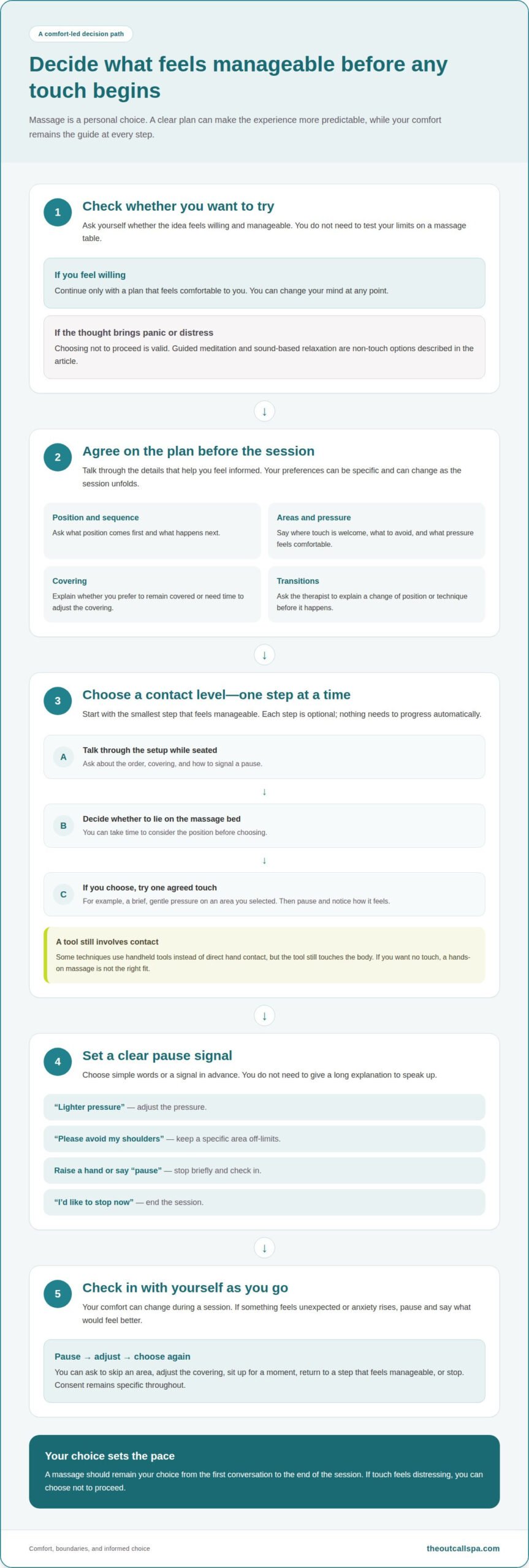
Yes. You can ask for a massage to pause, change or stop at any point, without explaining why before you speak up. For example, say “lighter pressure”, “please avoid my shoulders” or “I’d like to stop now”. Clear words help the therapist respond to your preferences rather than guessing from silence or tension.
Consent is practical and specific: agreeing to a session doesn’t mean agreeing to every technique, body area or change in pressure. You can discuss preferences before the massage, then revise them as the session unfolds. According to Singapore Police Force, under Section 2(1), Singapore’s Massage Establishments Act defines massage to include manipulating the body with or without hand-held equipment. That definition describes massage; a direct conversation still sets personal comfort boundaries.
Before the session, choose a few points to communicate. You might prefer to remain covered, avoid a particular area or know before the therapist changes position. If speaking feels difficult, agree on a simple signal, such as raising a hand. A brief check-in can also clarify whether the pressure feels comfortable, without requiring a long explanation.
During the session, pay attention to your own cues. If your breathing tightens when the therapist approaches your neck, ask them to skip that area. If a technique feels unexpected, say “pause” and discuss what would feel better. You can also ask for a moment to sit up or adjust the covering. These are useful, specific instructions, not interruptions.
For a first appointment, focus the conversation on what helps you feel informed: where touch is welcome, what to avoid and how you’ll signal a change. The therapist can then follow the boundaries you agreed on. A massage should remain your choice throughout, including the choice to end the session early.
2. Gradual introduction of touch
Start with the smallest step that feels manageable, rather than committing to a full-body massage. You might first discuss the setup while seated, then decide whether to lie on the massage bed. Before the session, ask about the sequence, covering and pressure. You can also ask the therapist to explain each transition before it happens.
Some practitioners may offer a warm compress or a brief, agreed point of contact, such as holding a hand. These are options, not requirements. You could agree to try one step, pause and decide whether to continue. If even that feels uncomfortable, skip it. Your pace matters more than completing a particular massage routine.
During a first session, expect to discuss your preferences before the massage begins. Ask what position comes first, which areas the therapist plans to work on and how to signal a pause. A brief trial of gentle pressure on an agreed area may help you assess the sensation. No step needs to progress automatically.
Non-touch relaxation options include guided meditation and sound-based relaxation, which don’t require hands-on massage. Infrared therapy is another option to consider, but the equipment and method can vary, and the session may involve contact. If touch is a concern, clarify what the session involves before choosing it.
Keep the progression simple: conversation, explanation, one agreed touch, then a pause to notice your response. For example, you might accept touch on your forearm but not your back. If anxiety rises, stop and return to a step that feels manageable. Gradual exposure should never mean enduring distress or treating massage as a substitute for professional support with haphephobia.
For clients who fear touch, introduce massage gradually and only if they feel comfortable with the process. Reconsider the arrangement at each visit: frequency alone does not set the pace or mean the client must accept more contact.
One caregiver said she arranged a massage for her mother-in-law once a week to help her become more accustomed to physical touch. This describes an intention, not a required schedule or a guarantee of how someone will respond. The client’s comfort remains the guide, and the amount of contact can be discussed again whenever needed.
3. Massage suitability for haphephobia
Haphephobia is an intense fear of being touched. A touch that seems ordinary to someone else can feel threatening and trigger hyperventilation, heart palpitations, nausea or panic. If even imagining a massage brings on these reactions, a hands-on session may feel distressing rather than relaxing. You don’t need to test your limits on a massage table.
Alternatives include guided meditation and sound-based relaxation, which focus on attention or listening rather than hands-on contact. Infrared therapy uses equipment and warmth, so consider whether the device, heat and setting feel comfortable. These approaches differ from massage; they aren’t a way to make someone accept unwanted touch.
Massage therapists can adapt pressure, pace and the areas treated, but massage itself involves physical contact. A minimal-contact approach might mean working only on an area you choose or using a tool. If you want no touch, say so clearly: a hands-on massage cannot take place without contact.
Some massage techniques use handheld tools instead of direct hand contact. The tool still touches the body, and its pressure or movement may be noticeable. The Massage Establishments Act definition includes manipulating the body with or without hand-held equipment, according to the Singapore Police Force. A tool changes how contact is made, not whether contact occurs.
Risks depend on the person and the method. Touch or pressure can intensify anxiety for someone with haphephobia, and massage may feel uncomfortable if the pressure is too strong. Acupressure still applies pressure to the body, while infrared therapy involves warmth. Stop if you feel distressed or physically unwell, and discuss health concerns with a healthcare professional before choosing a therapy.
To judge whether a session feels suitable, ask yourself whether you can tolerate the planned contact, communicate a limit and feel able to stop. If fear is affecting daily life, counselling or other professional support may be more appropriate than trying to manage it through massage. Choose a relaxation session freely, not as exposure without professional guidance.
4. Professional draping and boundaries
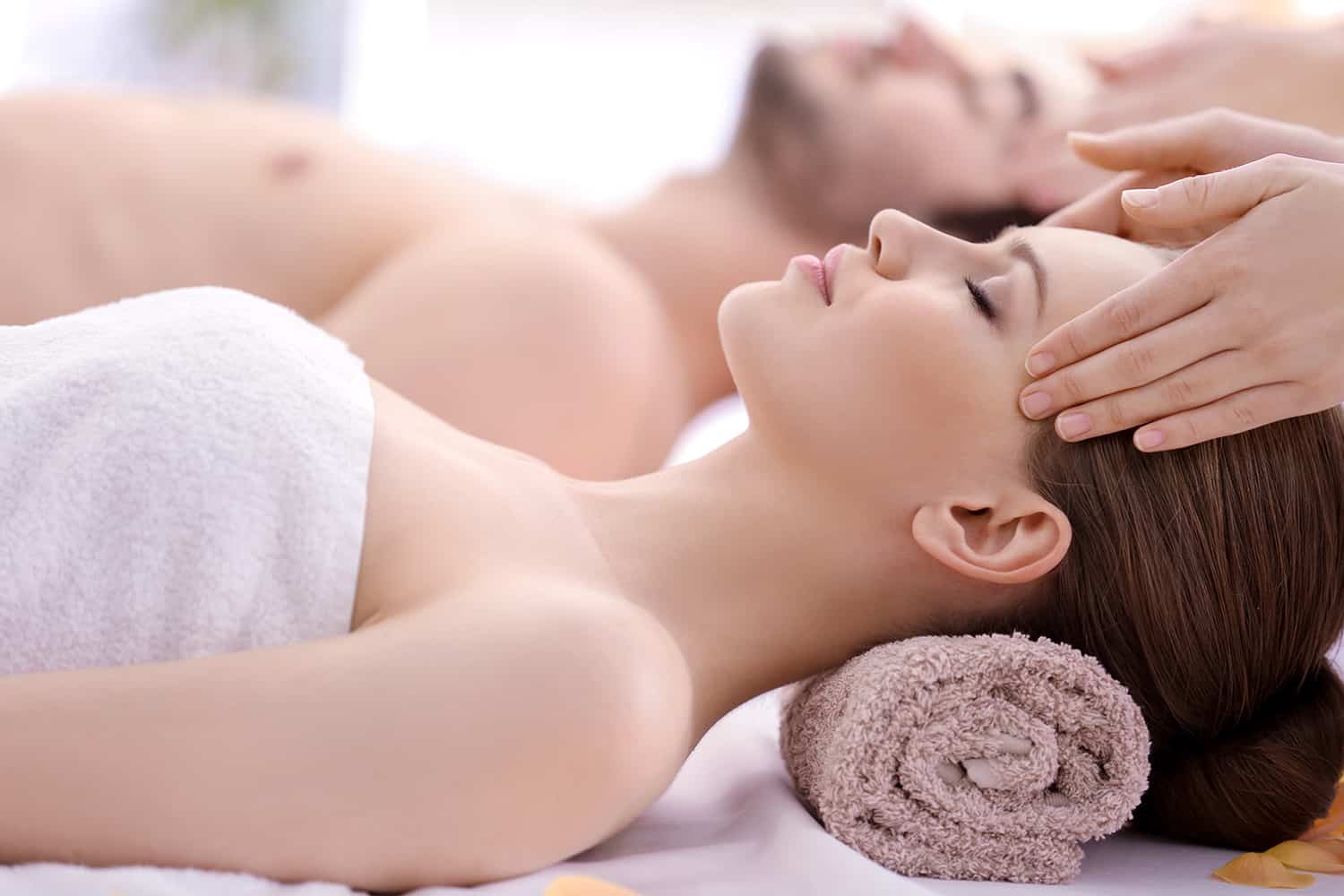
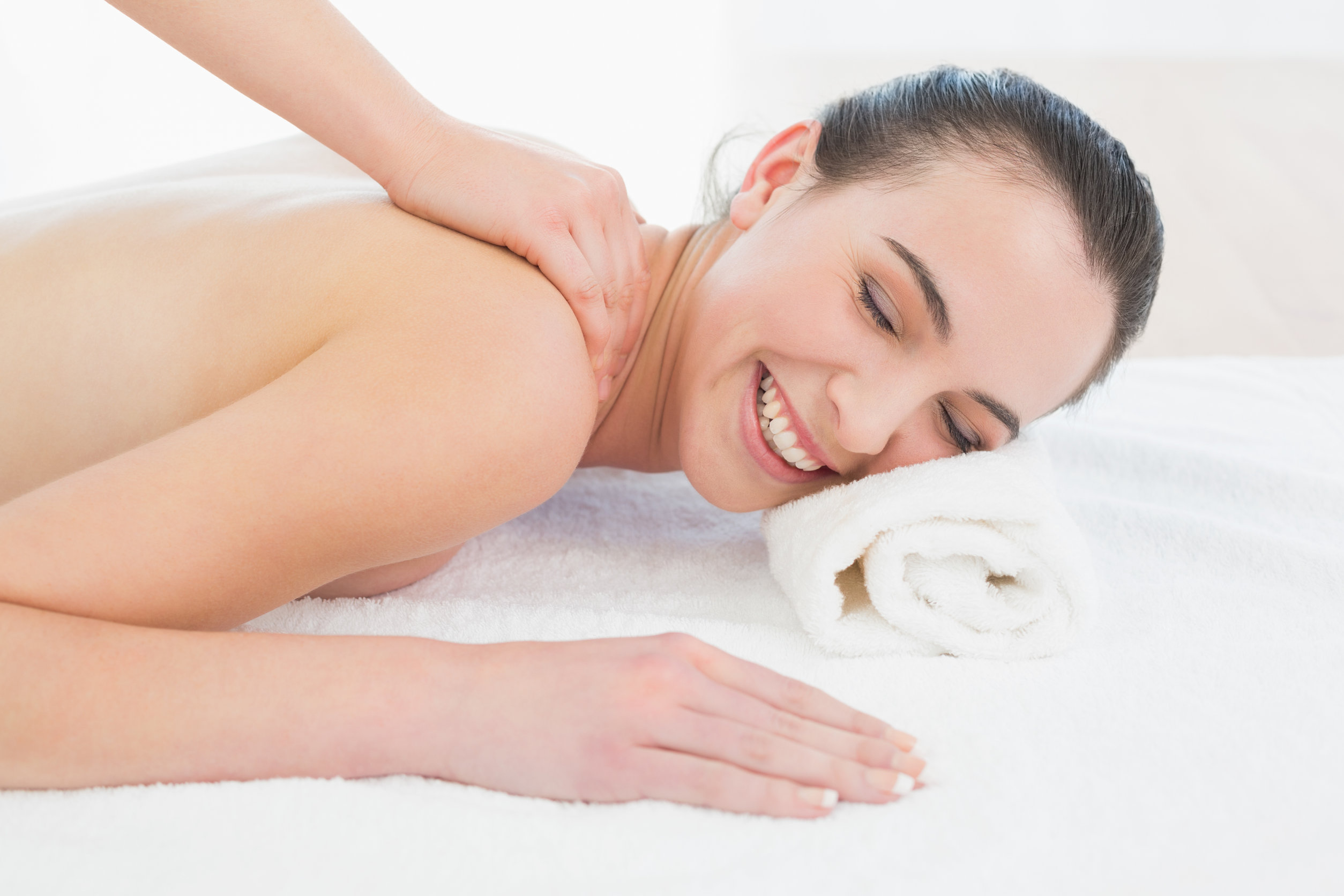
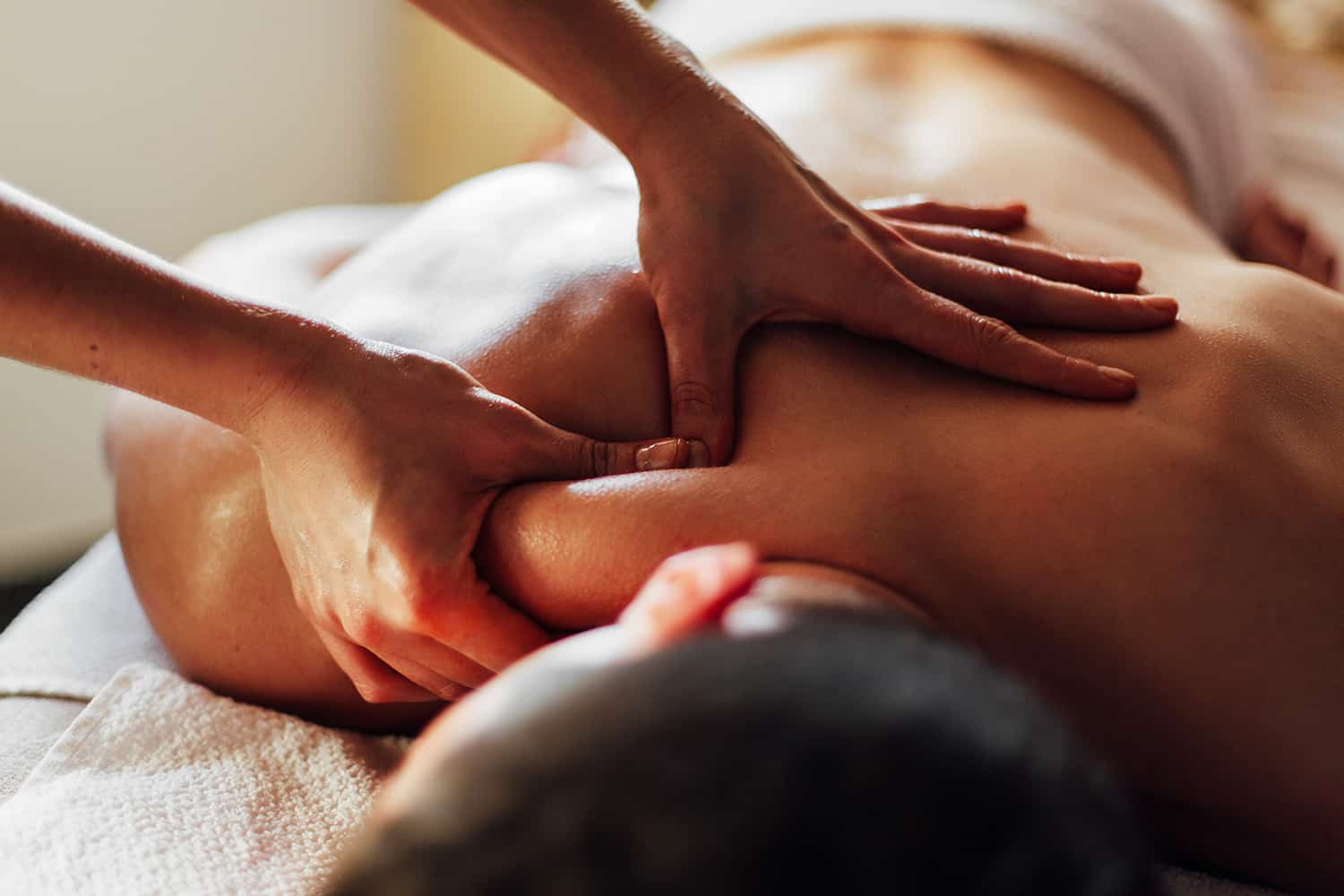
Professional draping means a sheet or towel covers the body, exposing only the area being worked on. Before lying down, agree which areas are off-limits and how the covering will be adjusted. For example, if you want your abdomen or legs covered throughout, say so clearly. The therapist should explain each transition and preserve your coverage while working.
Make your boundaries specific and practical. You might request no touch near your neck, ask for light pressure or prefer the therapist to announce each change in position. Agree on a simple pause signal before the session starts. If you raise your hand, the therapist can stop, restore your covering and ask what you need next.
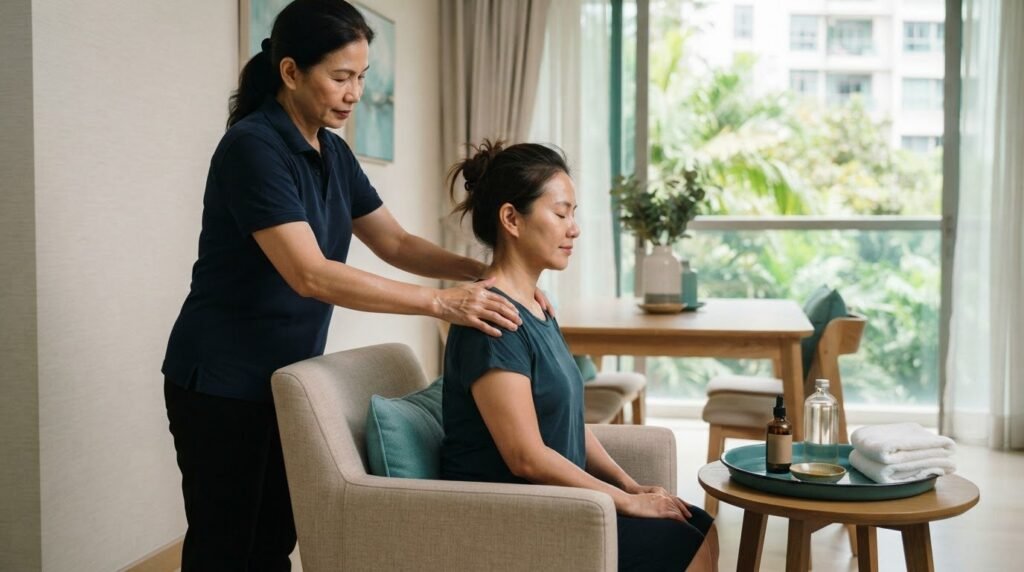
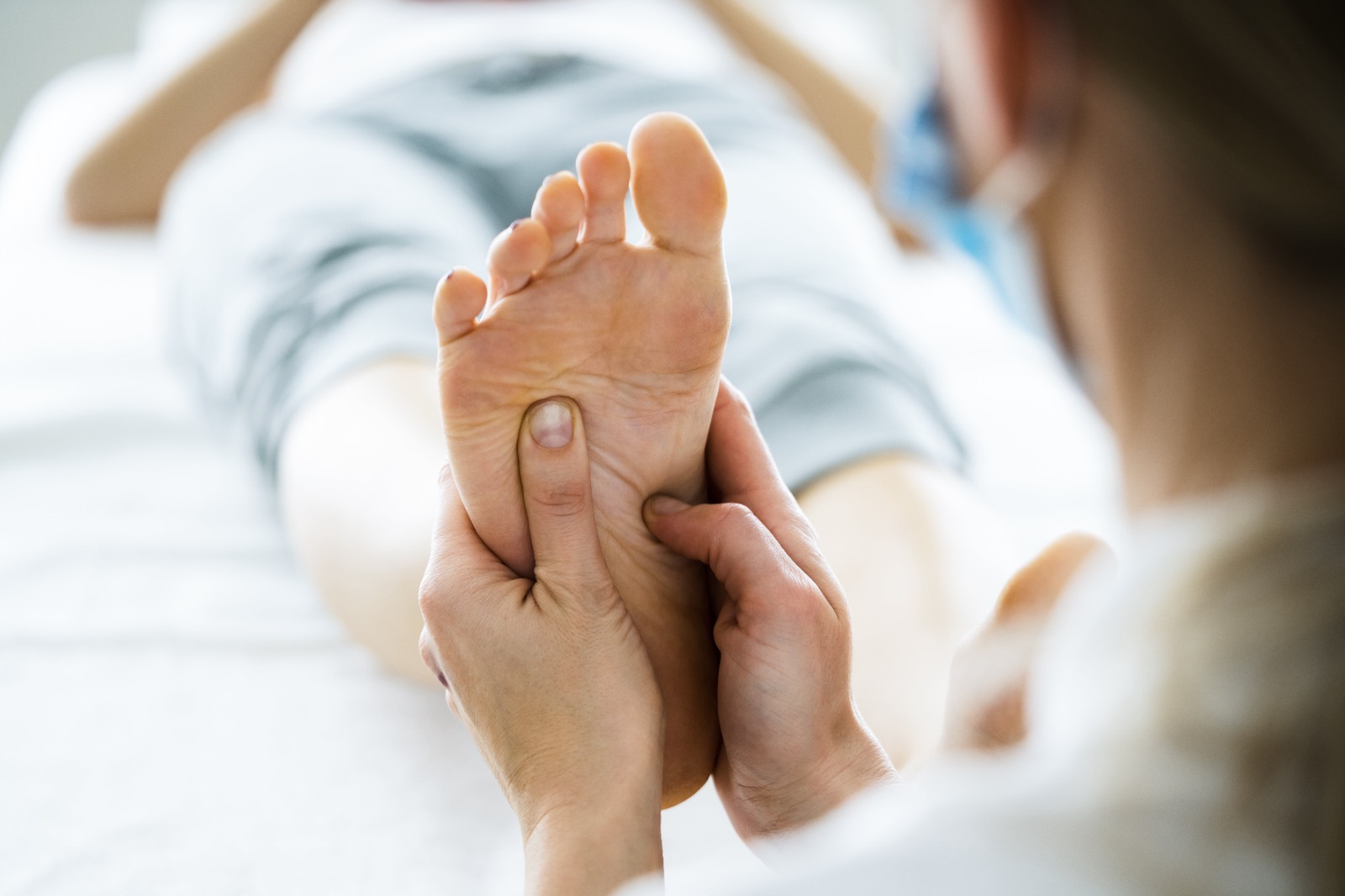
A seated acupressure massage involves applying pressure while you remain seated. It generally doesn’t require undressing, but it still involves touch, so clarify which areas the therapist will approach and whether your clothing stays on. If contact through clothing still feels uncomfortable, choose not to proceed.
Professional boundaries also mean that agreeing to one technique doesn’t imply consent to another. Agreeing to shoulder work, for example, doesn’t automatically include your arms or back. The therapist should explain the planned area before touching it and respect a request to skip or stop. You can also ask for a moment to sit up or adjust the covering.
Set the pace with clear, specific instructions. “Please tell me before you move the towel” is more useful than “I’m nervous.” If a change feels unexpected, say “pause” and wait until you feel ready to continue. You can end the session if your comfort changes. Professional massage should keep your choices and agreed limits central, from the first explanation to the final adjustment.
That care matters because, on average, one of every five clients seen by a massage practitioner has a history of trauma or abuse. Massage practitioners should follow professional draping standards when working with clients who may fear touch, and explain professional boundaries before a session and during it when necessary. These conversations help keep expectations clear as the session unfolds, while preserving the client’s ability to state a limit, request a change or stop.
The Outcall Spa
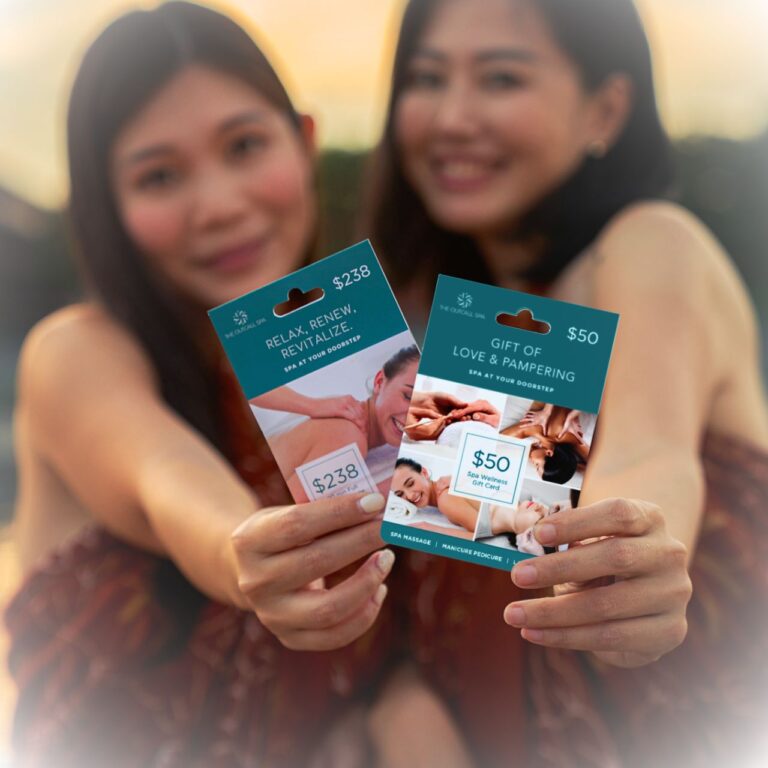
The Outcall Spa brings massage sessions to your home or hotel, so you can relax in a familiar setting. Its Deep Tissue, Signature, Swedish and Tui Na massages involve touch, so clear communication about comfort and boundaries matters before the session. Share which areas feel acceptable, what you’d prefer to avoid and whether you want the therapist to explain each transition. A full-size massage bed, towels, oils and calming music help create a complete spa setting at home.
If you’re considering a session, contact The Outcall Spa to discuss your preferences and decide whether massage feels right for you.
Choose a Next Step That Feels Right
Your next step needn’t be a commitment to a full session. Consider what you want from the experience and whether hands-on care suits you today. The aim isn’t to prove you can tolerate touch. It’s to make a choice that respects your comfort and wellbeing.
For someone considering a massage for people who dislike being touched, the name of a massage style alone can’t tell you whether it’s suitable. The Outcall Spa offers Deep Tissue Massage, Signature Massage and Swedish Massage. Each is hands-on, so your personal comfort with touch remains central to the decision.
If you’d like to explore the options and share what matters to you, contact The Outcall Spa. Take the next step at your own pace, with your comfort guiding the decision.
Frequently Asked Questions
Should you offer massage for haphephobia?
Offer a massage only if the person genuinely wants one; never use it to persuade them to tolerate unwanted contact. A massage for people who dislike being touched should remain their choice, not a test. If considering it feels distressing, a non-touch activity may be a better fit. Haphephobia may warrant support from a mental-health professional; massage does not treat the phobia.
How can someone tell a massage therapist they dislike touch or need specific boundaries?
Before the appointment, say, “I’m uncomfortable with touch and want to explain my boundaries.” Then state a specific preference, such as avoiding your hands or feet, and agree on a word that means stop. If speaking feels difficult, write a short note describing your limits and share it before the session.